Algorithm-Driven Customization of Incentives and Its Role in Sustaining Engagement Across International Digital Entertainment Platforms
Ben Roth · Jun 25, 2026
Algorithm-Driven Customization of Incentives and Its Role in Sustaining Engagement Across International Digital Entertainment Platforms
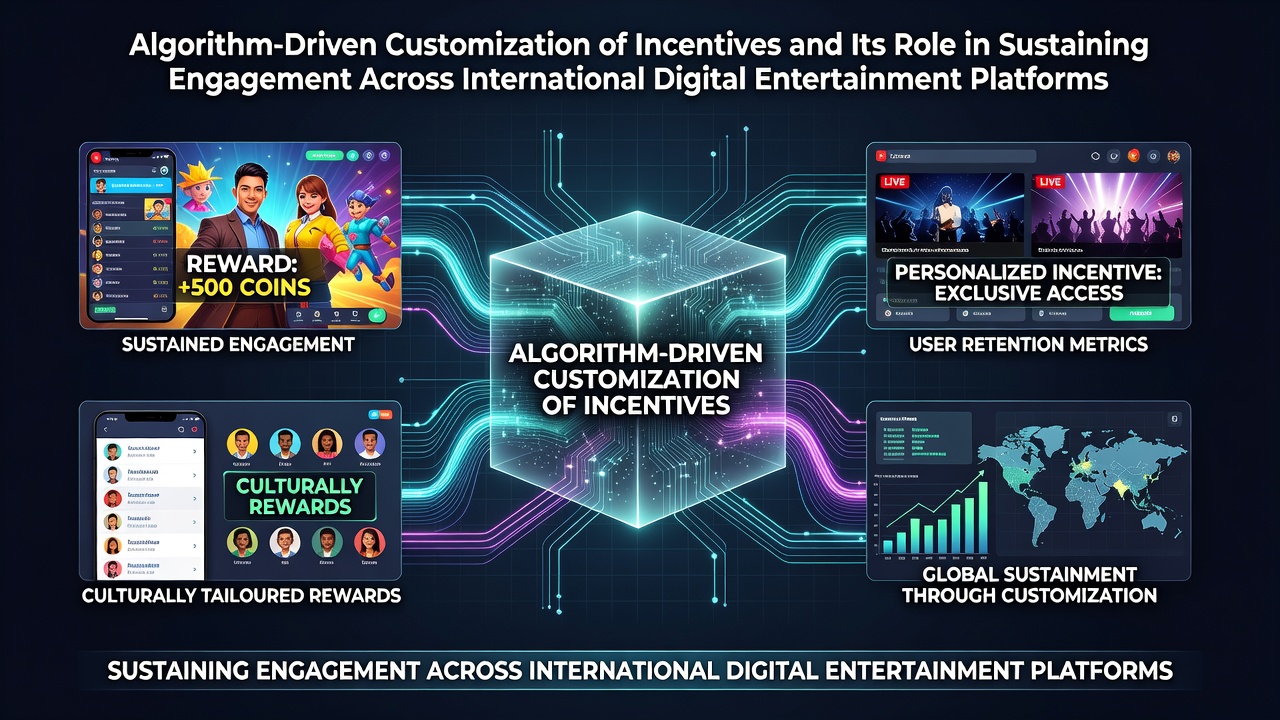
Digital entertainment platforms rely on algorithms to tailor incentives such as personalized recommendations, achievement badges, loyalty points, and exclusive content access, and these systems adjust offers based on individual user behavior patterns across streaming services, music applications, and interactive gaming networks. Observers note that such customization draws from data including viewing history, session duration, and interaction frequency to generate offers that align with user preferences while encouraging continued participation.
Core Mechanisms Behind Algorithmic Incentive Systems
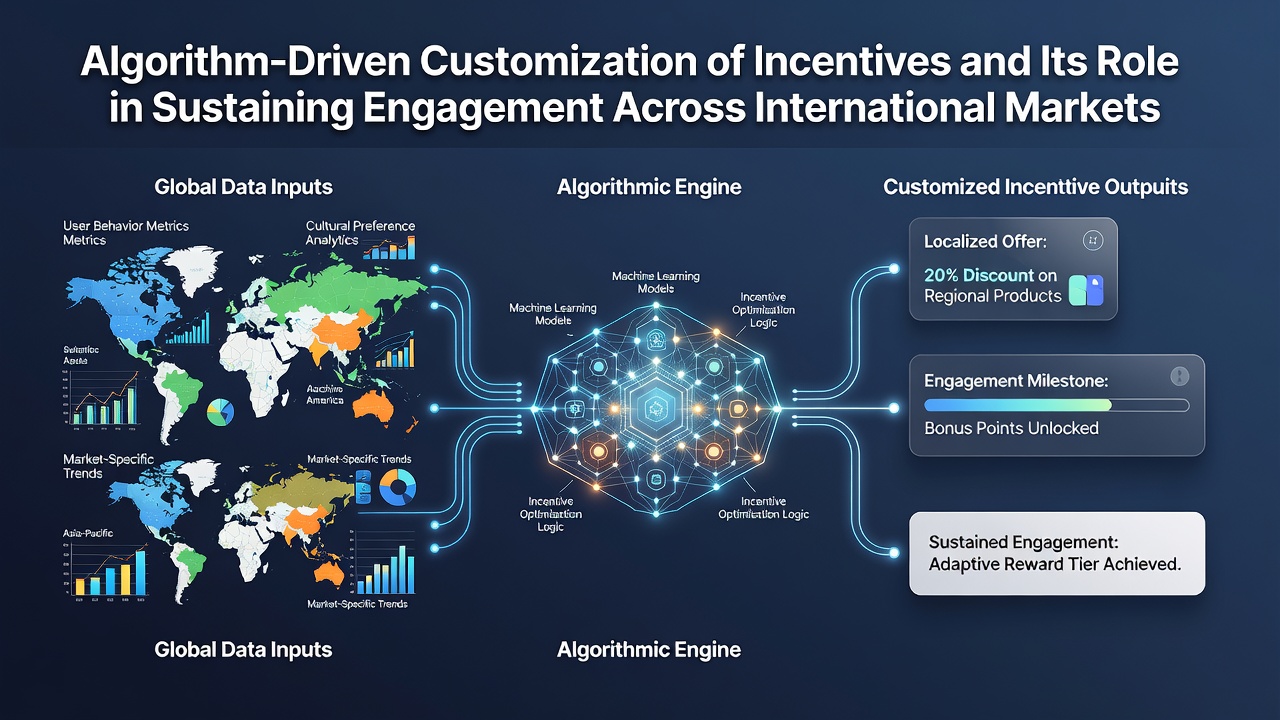
Algorithms process large volumes of behavioral data through machine learning models that identify patterns in user activity, then match those patterns to incentive structures designed to extend engagement periods. For instance, a platform might detect repeated short sessions on mobile devices and respond by offering time-limited content unlocks that fit those usage windows, whereas longer desktop sessions trigger suggestions for extended playlists or series marathons. Researchers at various academic institutions have documented how these models incorporate variables like geographic location, device type, and time-of-day activity to refine their outputs further, resulting in region-specific incentive variations that account for cultural differences in entertainment consumption.
Platforms operating across borders integrate regulatory considerations into their algorithmic frameworks, ensuring compliance with data protection standards in multiple jurisdictions while maintaining consistent incentive delivery. Data from industry reports indicate that companies adjust their personalization engines to reflect local preferences, such as emphasizing community features in markets where social interaction drives higher retention rates.
International Platform Applications and Regional Variations
Streaming services like those providing video and audio content deploy algorithmic customization to convert initial sign-ups into sustained subscriptions through targeted reward sequences. In North America, platforms often emphasize progress tracking and milestone rewards, while European services incorporate more collaborative incentives that connect users with shared-interest groups. Australian media authorities have tracked similar trends, noting that local platforms use location-based data to suggest content and incentives tied to national events or seasonal viewing habits.
Interactive entertainment platforms, including multiplayer gaming environments, apply these algorithms to distribute in-game rewards based on playstyle analysis, creating incentive loops that reward both competitive and exploratory behaviors. Figures from global market analyses show that platforms using such customization report higher average session lengths compared to those relying on uniform reward systems, although exact percentages vary by region and platform type.
Engagement Metrics and Longitudinal Effects
Studies from research organizations reveal that algorithmically customized incentives correlate with measurable increases in daily active users and reduced churn rates across digital entertainment networks. One approach involves A/B testing of incentive variants, where platforms compare engagement outcomes between groups receiving standard offers and those receiving personalized versions, then scale the higher-performing options. In June 2026, updates from international analytics firms highlighted continued growth in these testing methodologies, particularly among platforms expanding into emerging markets in Asia and Latin America.
Long-term data collection allows algorithms to evolve their predictions, shifting from broad demographic targeting to granular individual modeling that accounts for changes in user life circumstances or seasonal interests. Those who have examined retention statistics across multiple platforms observe that incentives adjusted in real time produce stronger loyalty indicators than static reward programs, especially when platforms operate in competitive environments with numerous alternatives available to users.
Technical Infrastructure Supporting Customization
Cloud-based processing systems and edge computing resources enable the rapid analysis required for real-time incentive adjustments, while privacy-preserving techniques such as federated learning help platforms refine models without centralizing all user data. Industry associations have reported that platforms investing in these infrastructures achieve more accurate personalization at scale, supporting operations across dozens of countries simultaneously. External sources like the OECD digital economy reports document how such technical capabilities influence competitive positioning in teh global entertainment sector.
Integration with third-party data providers supplements internal datasets, allowing algorithms to incorporate broader context such as trending topics or seasonal events without compromising core personalization logic. This layered approach helps maintain relevance across diverse user bases while respecting varying consent frameworks in different regions.
Conclusion
Algorithm-driven customization of incentives operates as a central component in sustaining engagement on international digital entertainment platforms through continuous adaptation to user behavior and regional requirements. Data from multiple sources demonstrate consistent patterns where personalized reward structures extend participation metrics, and ongoing technical developments support further refinement of these systems. Platforms that maintain compliance with international standards while scaling their algorithmic capabilities continue to shape engagement strategies across the global entertainment landscape.