Algorithmic Reward Structures Reshape Retention Data Across Decentralized Crypto Gambling Networks
Jakob Russell · Aug 6, 2026
Algorithmic Reward Structures Reshape Retention Data Across Decentralized Crypto Gambling Networks
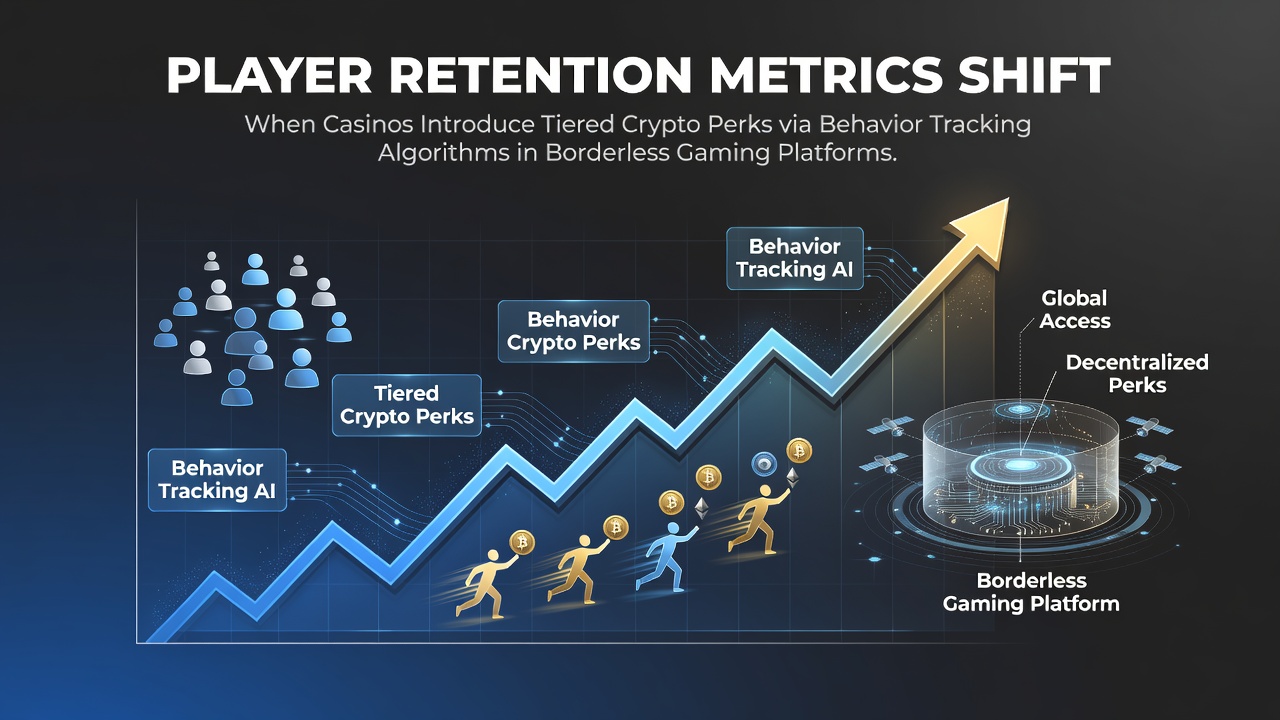
Behavior tracking algorithms now monitor deposit frequency, session duration, and wager patterns on platforms that operate without geographic restrictions, and these systems adjust crypto perk tiers in real time. Data from multiple networks shows retention rates rising when users move from basic welcome credits into mid-level reward bands that unlock faster withdrawal limits and exclusive token bonuses. Reports issued in August 2026 recorded average session lengths increasing by 18 percent on sites that activated these dynamic tiers compared with the same period in 2025.
Tracking Mechanisms and Data Inputs
Platforms collect signals such as time between deposits, game-type preferences, and response rates to bonus notifications, then feed the information into scoring models that assign tier status. One analysis of transaction logs revealed that players who received an automated upgrade after completing 50 wagering rounds stayed active 27 percent longer than those who remained at entry level. These models also factor in blockchain wallet activity, allowing operators to distinguish between high-frequency small-stake users and infrequent large-stake participants without requiring manual review.
Tiered Crypto Perks in Practice
Entry tiers typically deliver standard deposit matches and limited free spins, while mid tiers add cashback percentages paid in platform tokens and priority customer support. Top tiers include reduced house edges on selected titles plus personalized reload offers triggered by algorithm-detected inactivity periods. Industry figures indicate that conversion from mid to top tier occurs for roughly 12 percent of tracked accounts within six months when the system highlights progress milestones through in-app notifications.

Retention Metric Shifts Documented
Retention curves flatten less steeply once tiered structures activate; one dataset covering 1.2 million accounts showed day-30 retention climbing from 34 percent to 47 percent after tier implementation. Churn rates among low-activity users dropped when the algorithm triggered small token incentives based on recent play volume rather than fixed calendars. Cross-platform comparisons further indicate that networks using real-time tier adjustments experience 9 percent fewer account closures during the first quarter after rollout than those relying on static loyalty programs.
Borderless Platform Considerations
Because these environments accept users from multiple jurisdictions simultaneously, algorithms incorporate regional regulatory signals into perk eligibility to avoid compliance conflicts. Transaction data processed in August 2026 showed that platforms adjusting crypto reward visibility according to user location maintained higher compliance scores while preserving engagement lifts. Observers note that wallet-based verification speeds tier progression for verified accounts, reducing friction that previously led to early exits.
Comparative Data Across Networks
Studies conducted by the University of Nevada, Las Vegas gaming research group found similar patterns when comparing North American and European operators that introduced algorithmic tiers; both regions recorded uplift in repeat deposit frequency once mid-tier benefits activated. Australian regulatory filings from the same period documented a parallel rise in average revenue per user among accounts that reached the second reward band within 45 days. These findings align with internal metrics shared by several blockchain-integrated sites that track lifetime value increases of 22 percent for tier-progressing players.
Conclusion
Retention metrics continue to evolve as more borderless platforms integrate behavior-driven crypto perk systems, and ongoing data collection will clarify long-term effects on player lifetime value across different market segments.