Algorithmic Triggers Powering Bonus Renewals in Decentralized Gaming Ecosystems
Ben Roth · Aug 2, 2026
Algorithmic Triggers Powering Bonus Renewals in Decentralized Gaming Ecosystems
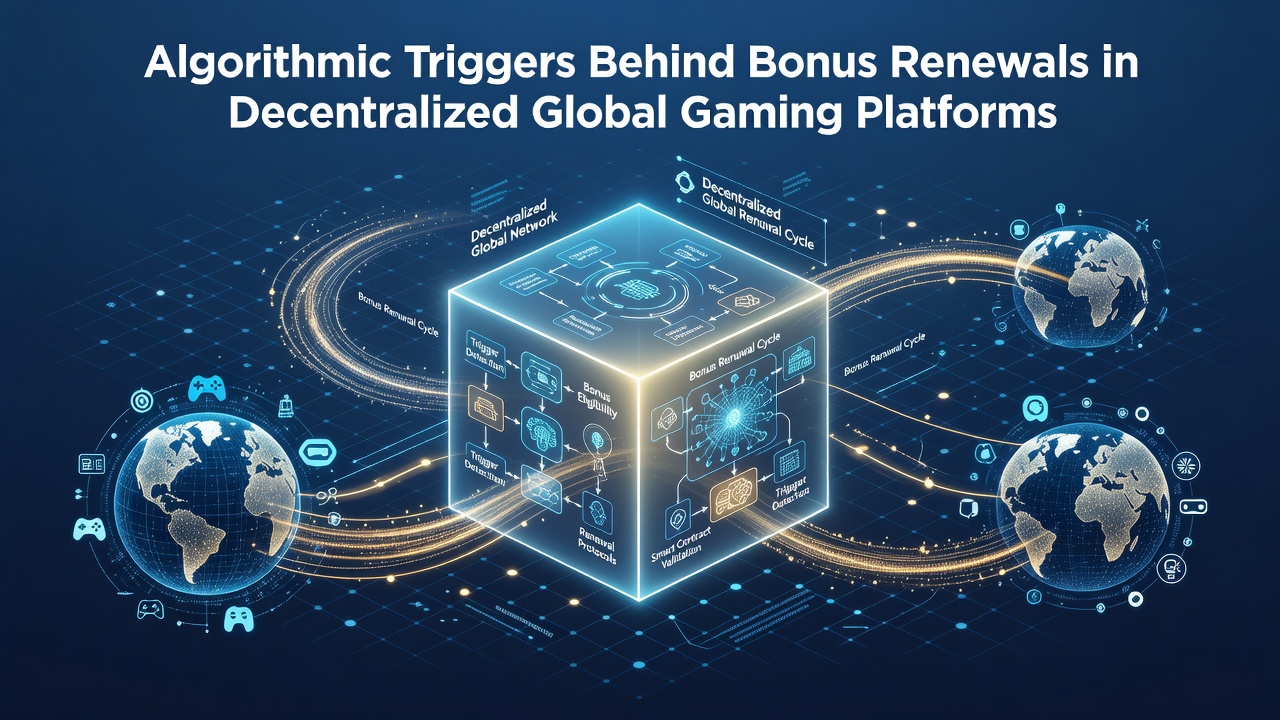
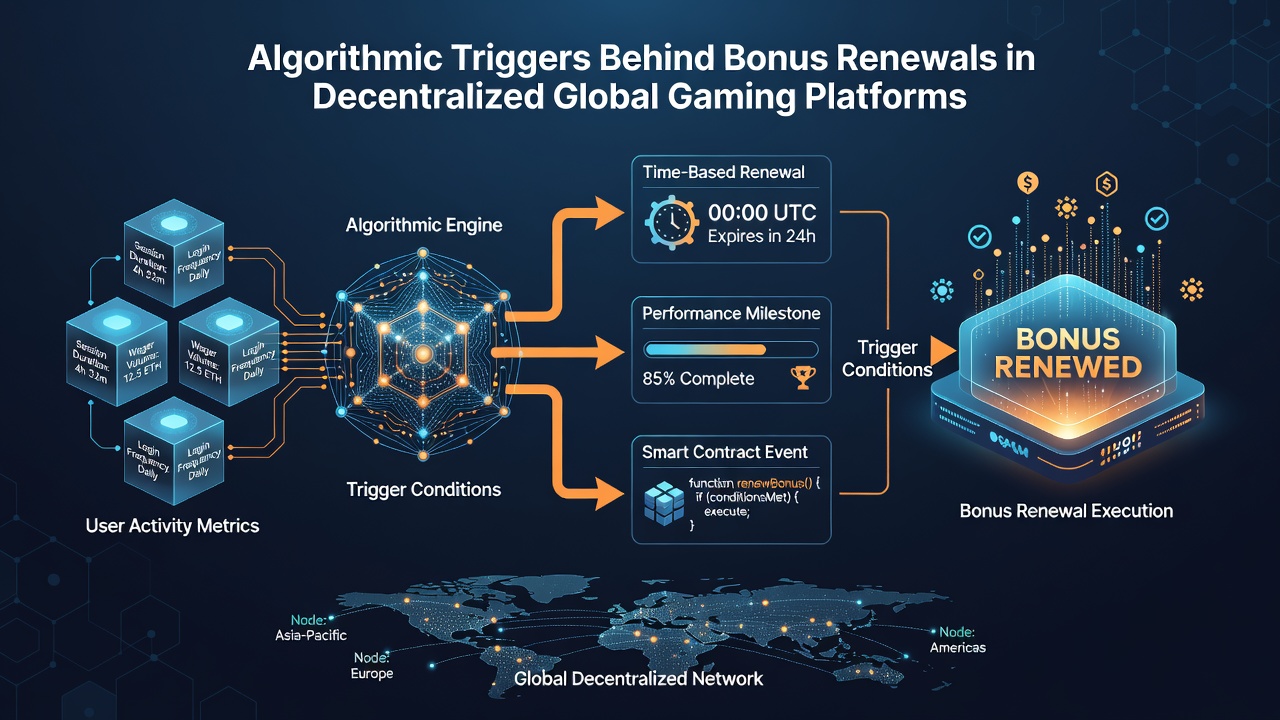
Decentralized global gaming platforms rely on blockchain networks and smart contracts to manage bonus renewals through precise algorithmic triggers that monitor player behavior and engagement metrics in real time. These systems operate across borderless environments where traditional centralized oversight gives way to automated protocols that activate renewals based on predefined data points such as transaction volume, session duration, and wallet interaction frequency.
Core Components of Algorithmic Trigger Systems
Research from blockchain analytics firms shows that renewal algorithms typically incorporate machine learning models trained on historical player datasets to identify patterns that signal continued activity. These models process inputs from distributed ledgers, including cryptocurrency transfers and in-game asset movements, then execute renewal logic when thresholds are met. Data indicates that platforms using Ethereum-based or Solana-based infrastructures often integrate oracle feeds to pull external market prices and volatility indexes, which influence bonus scaling during renewal cycles.
Observers note that trigger conditions frequently combine multiple variables rather than relying on single events. For instance, a renewal might activate only after a player completes a set number of verified transactions alongside minimum playtime logged through on-chain timestamps. According to reports from the Australian Gambling Research Centre, similar hybrid metrics appear in regulated digital environments that incorporate blockchain elements, where engagement scores derived from both on-chain and off-chain data determine eligibility for recurring incentives.
Player Activity Metrics and Renewal Logic
Algorithms evaluate deposit frequency, withdrawal patterns, and interaction with decentralized applications to calculate renewal probabilities. In August 2026, several platforms updated their smart contract parameters to include real-time volatility adjustments from cryptocurrency markets, allowing bonus amounts to fluctuate in line with token values while maintaining fixed percentage renewals for active users. This approach ensures that renewal triggers remain responsive to external economic signals without requiring manual intervention from platform operators.
Those who have examined transaction logs on public blockchains find that renewal events often cluster around specific behavioral sequences, such as consecutive daily logins combined with cross-game asset transfers. Smart contracts encode these sequences as conditional statements that release new bonus allocations directly to player wallets once the criteria are satisfied. Figures from industry tracking services reveal that platforms employing such logic reported higher renewal rates during periods of stable network fees, particularly on chains with low transaction costs.
Integration with Smart Contract Protocols
Decentralized platforms embed renewal triggers within immutable contract code that executes automatically when oracles confirm the required conditions. This setup eliminates discretionary decisions by human administrators and instead depends on verifiable on-chain events. Studies conducted by university research groups on distributed ledger applications highlight how these contracts incorporate time-bound windows, ensuring renewals occur only within designated periods following initial qualification.
Additional layers of complexity arise when platforms layer governance tokens into the trigger framework. Holders of these tokens sometimes receive priority weighting in algorithmic calculations, which adjusts renewal eligibility based on staking duration and token balance. Data compiled by the National Council on Problem Gambling indicates that transparent disclosure of these weighting factors helps maintain user trust across global networks where regulatory frameworks vary widely.
Cross-Platform Data Sharing and Trigger Accuracy
Many decentralized ecosystems participate in shared data consortiums that pool anonymized engagement statistics to refine algorithmic accuracy. This collaboration allows triggers to account for player movement between different blockchain games, preventing duplicate renewals while recognizing sustained activity across multiple titles. In practice, such systems use zero-knowledge proofs to verify participation without exposing individual wallet details.
Renewal frequency tends to align with network upgrade cycles, as protocol changes often introduce new data fields that algorithms can incorporate into their decision trees. August 2026 saw several major chains deploy updates that expanded available metrics for bonus systems, resulting in more granular trigger conditions across participating gaming platforms.
Conclusion
Algorithmic triggers for bonus renewals in decentralized gaming environments continue to evolve through integration of on-chain analytics, oracle data, and machine learning refinements. These mechanisms process diverse inputs from player wallets and network activity to execute automated renewals that operate independently of centralized control. As blockchain infrastructure advances, the precision and adaptability of these triggers are expected to increase, supporting sustained engagement across global platforms while relying on verifiable data rather than manual oversight.