Behavioral Mapping of Incentive Pathways: How Signup Mechanics Adapt via Player Data Loops into Retention Frameworks Across Decentralized Global Betting Systems
Ben Roth · Jun 23, 2026
Behavioral Mapping of Incentive Pathways: How Signup Mechanics Adapt via Player Data Loops into Retention Frameworks Across Decentralized Global Betting Systems
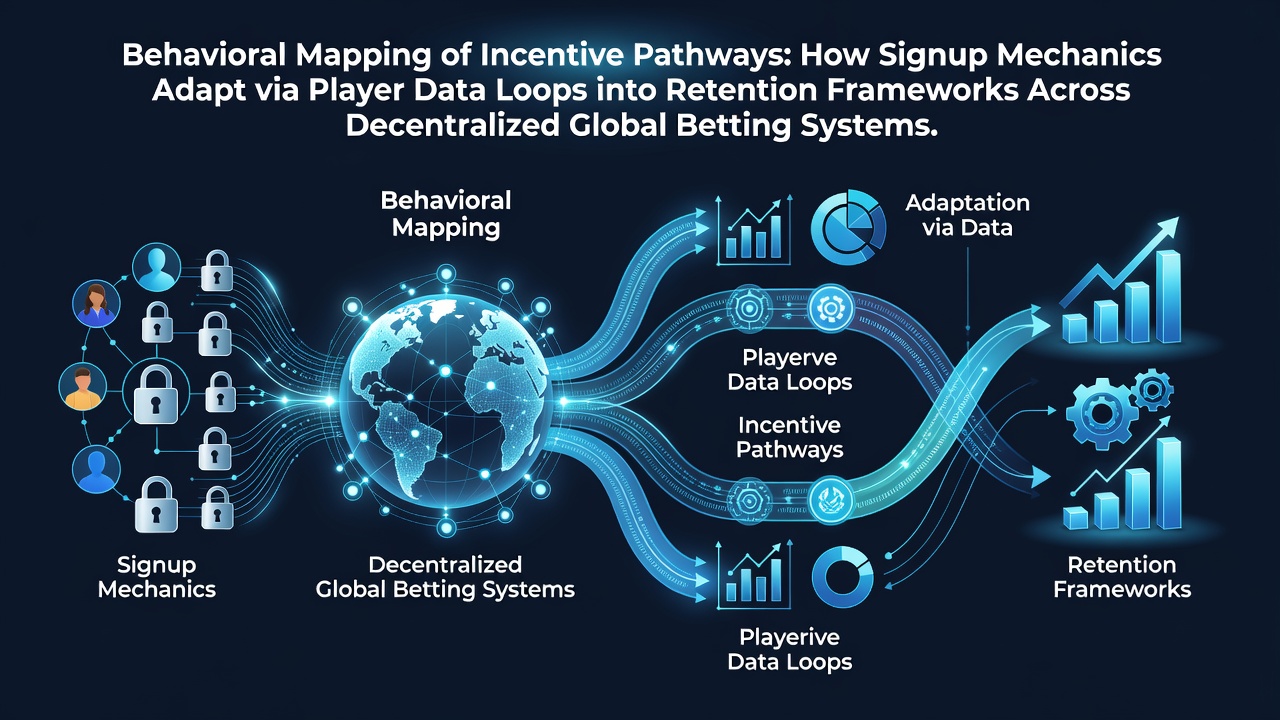
Decentralized global betting systems rely on signup mechanics that collect behavioral signals from the first interaction, and these signals feed into data loops that refine incentive structures over time. Player actions at registration, such as preferred deposit methods and initial game selections, establish baseline profiles that algorithms then monitor for patterns of engagement. Those patterns allow systems to adjust reward offerings without centralized oversight, since blockchain-based ledgers record transactions across nodes distributed worldwide.
Signup Mechanics as Data Entry Points
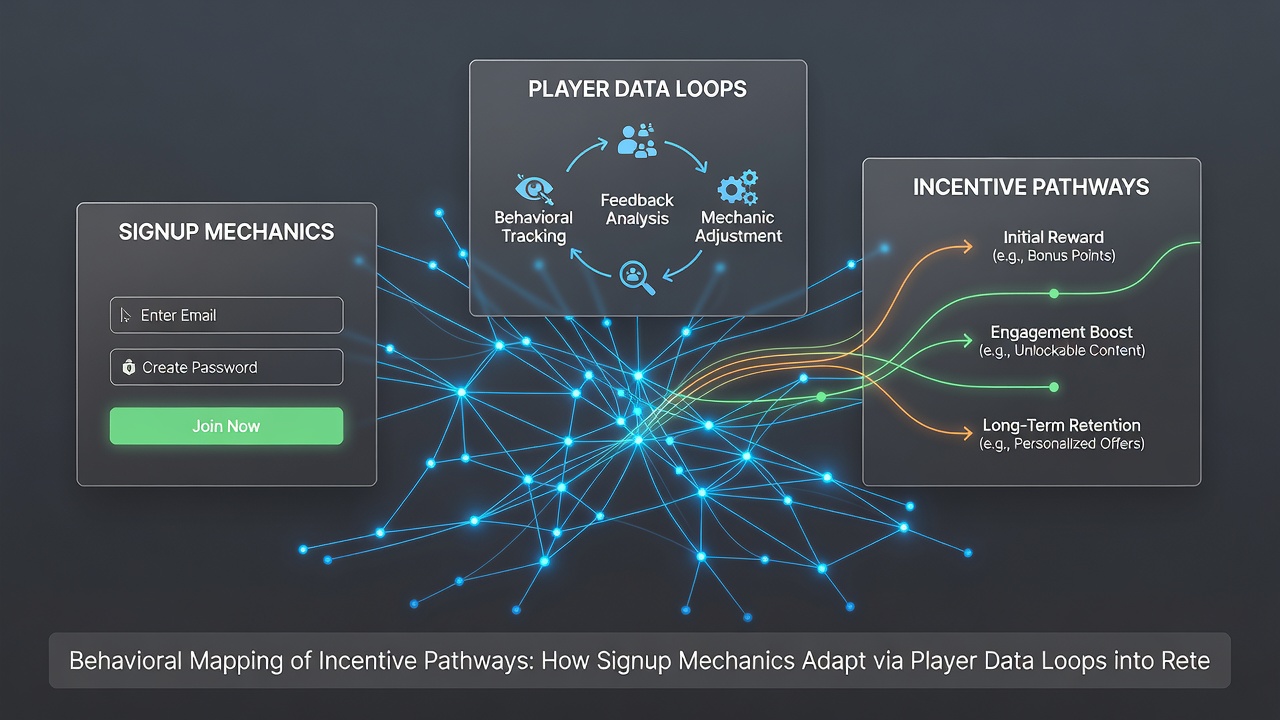
Registration interfaces in these networks prompt users for details including location, device type, and preferred cryptocurrency wallets, while consent forms authorize ongoing tracking of session duration and bet sizing. Observers note that platforms operating under frameworks from the Australian Gambling Research Centre capture such variables at scale, turning each completed profile into a node within larger retention models. Data flows immediately from these entry points into machine-learning clusters that categorize users according to risk tolerance and historical spend velocity.
Once categorized, the same mechanics trigger tailored first incentives, such as matched deposits or free spins calibrated to the user's declared preferences. Researchers have tracked how these early rewards generate secondary data points, including redemption rates and follow-on deposit behavior, which then loop back to refine the initial categorization. The process repeats across sessions, with each cycle tightening the alignment between offered incentives and observed activity.
Player Data Loops and Adaptive Pathways
Continuous loops operate by feeding live telemetry into smart contracts that govern reward distribution on decentralized networks. When a player completes a set number of wagers within a defined window, the contract evaluates performance metrics stored on the ledger and releases an adjusted incentive, such as a loyalty multiplier or cashback tier. Studies from the International Gaming Institute document how these loops reduce churn by matching reward frequency to individual play rhythms rather than applying uniform schedules.
Geographic variation adds another layer, since regulatory environments in different regions impose distinct data-handling rules. Platforms serving users across Asia-Pacific jurisdictions, for instance, must reconcile local privacy statutes with the immutable nature of distributed ledgers, while European operators align with GDPR requirements through selective off-chain storage of sensitive attributes. As of June 2026, several networks report expanded use of zero-knowledge proofs to verify compliance without exposing raw behavioral records.
Transition to Retention Frameworks
Retention frameworks emerge when repeated data loops establish predictive models that anticipate disengagement signals, such as declining session length or reduced deposit frequency. At that stage, the system activates graduated interventions, including personalized mission-based rewards or tiered access to exclusive game libraries. Evidence from industry reports indicates that such interventions extend average player lifetime value by sustaining engagement through calibrated rather than static offerings.
Decentralized architecture supports this progression because no single operator controls the underlying data repository. Instead, consensus mechanisms validate each incentive adjustment, ensuring transparency while allowing rapid iteration. Those who've examined ledger entries across multiple chains observe that retention protocols often incorporate cross-platform portability, enabling players to carry accumulated loyalty metrics from one decentralized application to another without resetting progress.
Global Scaling and Regulatory Interfaces
Cross-border operations introduce additional variables, including currency volatility and differing tax regimes, which data loops incorporate as weighting factors within incentive calculations. Regulatory bodies such as the Alcohol and Gaming Commission of Ontario track aggregate outcomes from these systems to assess market stability, while academic analyses from the University of Nevada, Las Vegas examine how incentive adaptation correlates with responsible gambling indicators. The resulting datasets feed back into platform algorithms, closing another loop that refines both commercial and compliance objectives.
Conclusion
Behavioral mapping in decentralized betting systems converts initial signup data into evolving retention frameworks through iterative loops that adjust incentives in real time. These processes operate across distributed ledgers, accommodate regional regulatory differences, and rely on continuous telemetry to maintain player engagement without centralized direction. Ongoing developments through mid-2026 continue to integrate privacy-preserving techniques while preserving the adaptive capacity that defines these networks.