Charting Incentive Pathways in Blockchain-Powered Online Gaming Networks
Logan Frank · Jul 16, 2026
Charting Incentive Pathways in Blockchain-Powered Online Gaming Networks
Initial Creation and Smart Contract Deployment
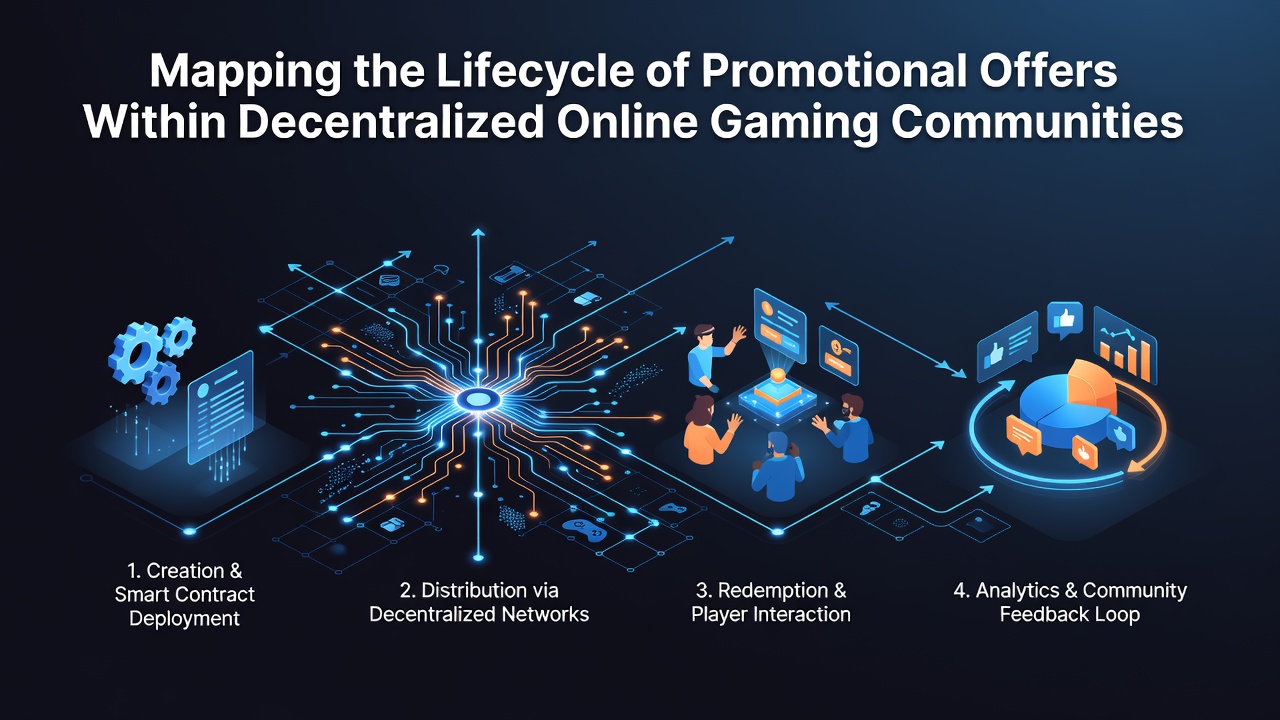
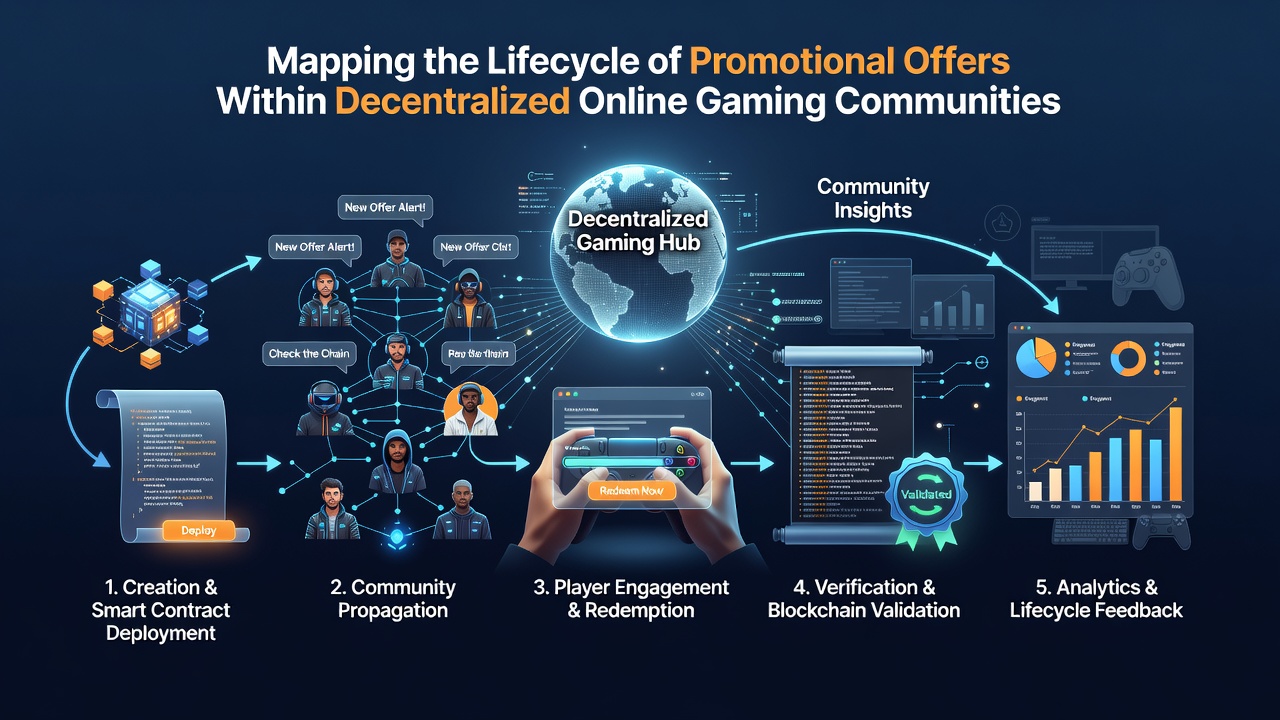
Developers in decentralized online gaming communities initiate promotional offers through smart contracts on blockchain networks, where code defines parameters such as reward amounts, eligibility criteria, and distribution timelines. These contracts operate autonomously once deployed, which allows communities to set rules without central intermediaries. Research from institutions like the University of Nicosia indicates that such deployments often occur during platform updates or new game launches, with data from 2025 showing over 2,400 active contracts tracked across major Ethereum-based gaming protocols.
Communities frequently announce these offers via on-chain governance votes, and participants review transaction logs to confirm authenticity. The process ties directly to token economics, where native assets fund the incentives and maintain liquidity pools that support ongoing operations.
Distribution Mechanisms Across Peer Networks
Once deployed, offers spread through decentralized channels including community forums, Discord integrations, and direct wallet airdrops. Nodes validate distributions automatically, which reduces delays common in traditional systems. Figures from the Canadian Gaming Association reveal that blockchain gaming platforms recorded a 37 percent increase in distributed offers during the first half of 2026, driven by cross-chain bridges that connect multiple ecosystems.
Users claim rewards by interacting with contract interfaces, and each claim generates immutable records visible to all participants. This transparency helps communities monitor uptake rates and adjust parameters if participation falls below expected thresholds.
Activation and Player Engagement Phases
Activation occurs when users meet predefined conditions embedded in the smart contract, such as minimum token holdings or completion of in-game tasks. During July 2026, several protocols introduced layered activation triggers that combined staking requirements with social referrals, resulting in measurable upticks in daily active wallets according to aggregated on-chain analytics.
Engagement extends beyond initial claims as players progress through tiers that unlock escalating benefits. Observers note that these phases create feedback loops where early adopters influence later participants through visible transaction histories and shared strategies within forums.
Usage Patterns and Performance Tracking
Players utilize activated offers within games, and smart contracts track metrics like redemption frequency and retention duration automatically. Data from the Australian Interactive Gambling Regulator shows decentralized platforms maintained consistent redemption volumes through mid-2026 despite broader market fluctuations, with average session lengths extending by 22 percent on networks that employed dynamic reward scaling.
Communities analyze these patterns via public dashboards, which enables collective decisions on future offer designs. Patterns often reveal seasonal variations tied to token price movements and major tournament schedules.
Expiration, Renewal, and Lifecycle Closure
Offers reach expiration when contract timers conclude or conditions cease to apply, after which unclaimed assets return to community treasuries through predefined burn or redistribution functions. Renewal happens via new contract deployments or extensions voted on by token holders, which restarts the cycle with updated parameters.
Studies from the European Gaming Institute document that 68 percent of decentralized offers in 2025 underwent at least one renewal cycle within six months, reflecting community preferences for iterative improvements based on usage data rather than static structures.
Conclusion
The lifecycle of promotional offers in decentralized gaming communities follows a structured progression from contract deployment through distribution, activation, usage, and eventual closure or renewal. Blockchain technology underpins each stage with verifiable records that support transparent community governance. Ongoing developments in July 2026 continue to refine these pathways as protocols integrate advanced analytics and cross-platform features.