Charting the path from welcome incentives to perpetual loyalty structures across borderless online gaming networks
Jakob Russell · May 28, 2026
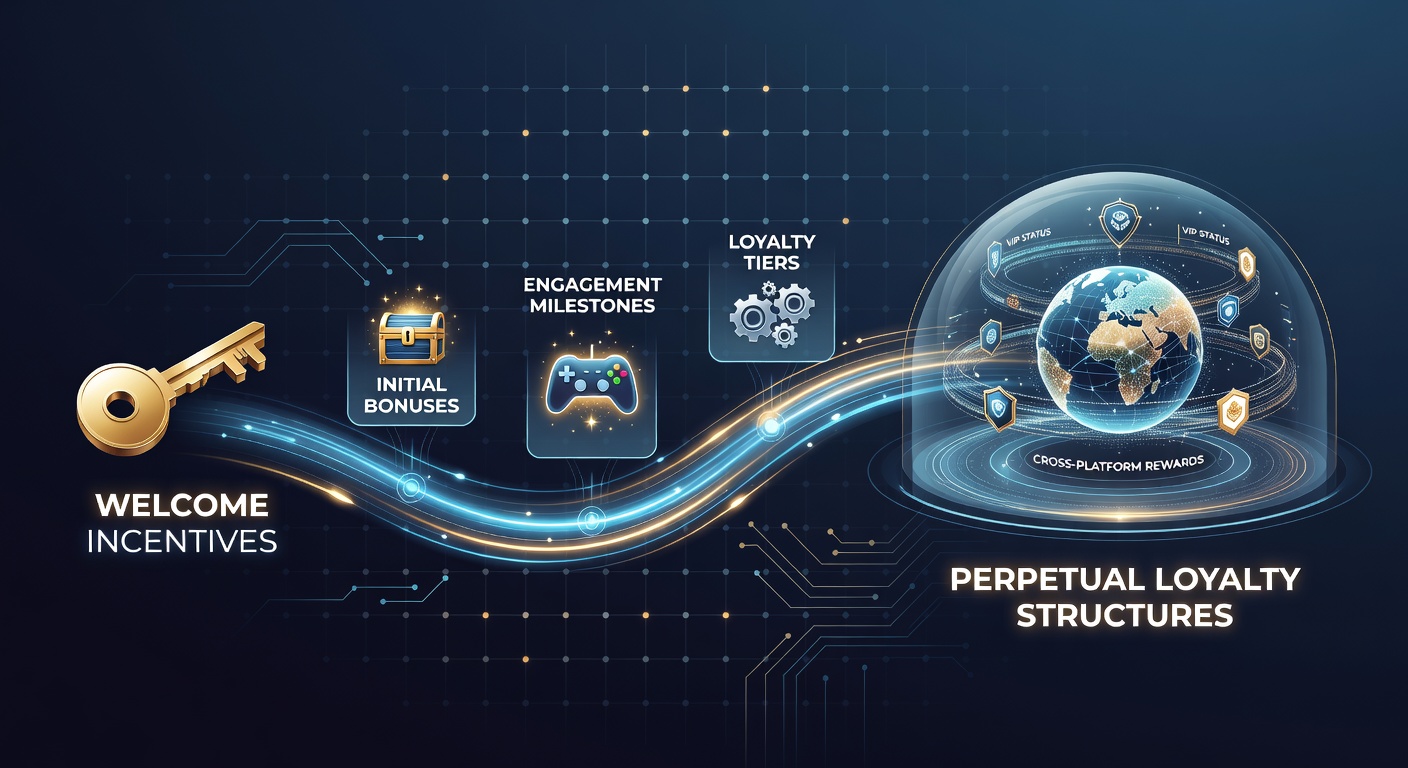
Charting the path from welcome incentives to perpetual loyalty structures across borderless online gaming networks
Online gaming platforms have expanded rapidly across international borders in recent years, and operators now coordinate welcome incentives with long-term loyalty frameworks to retain participants in competitive digital environments. Data from industry reports shows that initial deposit matches and credit packages serve as entry points while structured reward systems maintain engagement over extended periods.
Establishing entry points through welcome incentives
Platforms launch with targeted welcome packages that include matched deposits and limited-time credits, and these offerings attract new users from multiple regions simultaneously. According to figures released by the American Gaming Association, operators in regulated markets recorded steady growth in account registrations tied directly to such promotions during the first quarter of 2026. Networks that operate across jurisdictions adjust incentive values based on local currency and regulatory caps, yet the core structure remains consistent to support seamless onboarding.
Users complete registration and first deposits to unlock these benefits, after which the systems track activity through centralized databases. This approach allows platforms to gather behavioral data early while delivering immediate value that encourages continued play within the same ecosystem.
Transitioning to sustained participation models
Once initial incentives expire, operators shift focus toward loyalty architectures that accumulate points across sessions and game types. These structures assign tier levels based on total wagered amounts and frequency, and participants advance through bronze, silver, gold, and platinum categories that unlock progressive benefits. Research published by the European Gaming and Betting Association indicates that retention rates increase when loyalty points convert into cashback, exclusive event access, and personalized support without resetting at the end of promotional windows.
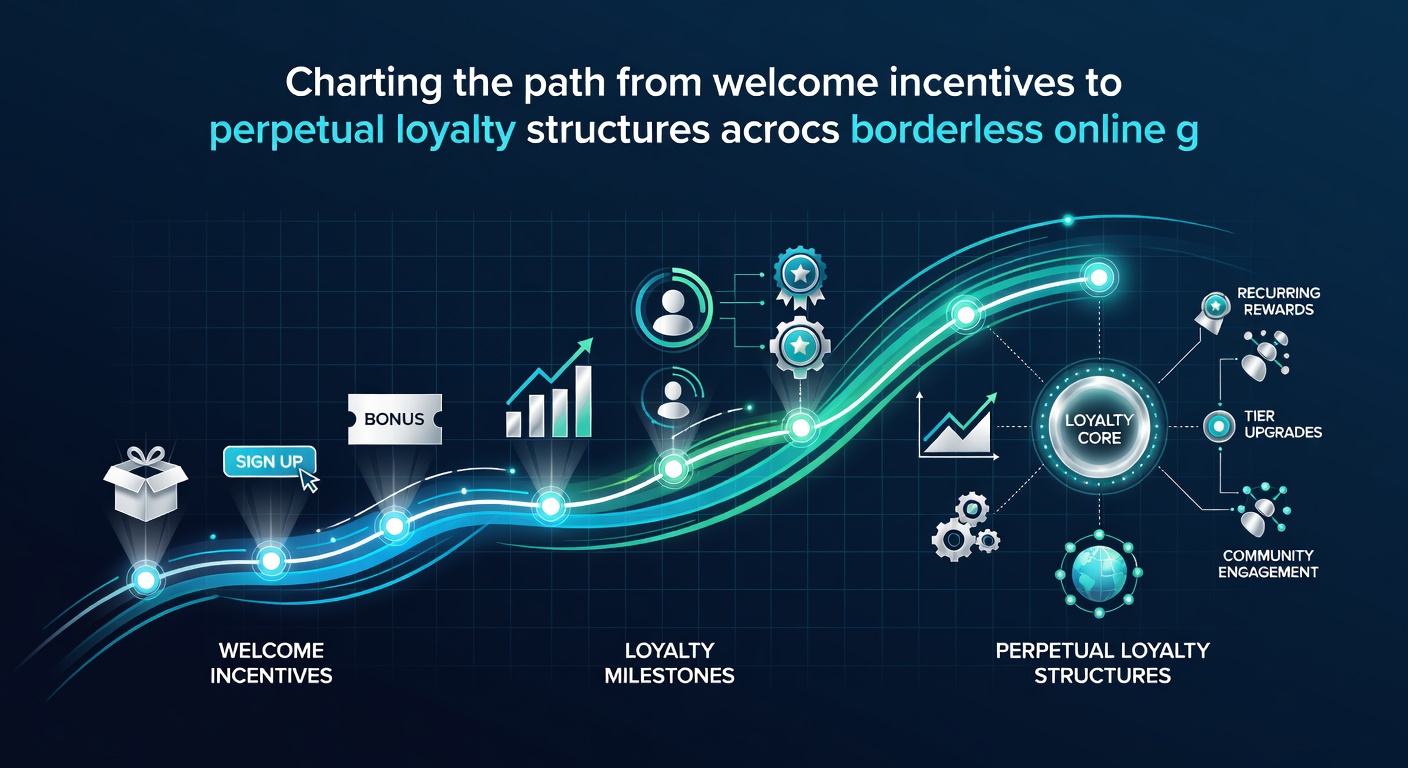
Borderless networks integrate these systems through shared ledgers that recognize activity regardless of the player's geographic location or chosen device. Points earned on one platform transfer to affiliated sites within the same network, and this interoperability reduces friction for users who move between markets. In May 2026, several major operators updated their backend protocols to enable real-time synchronization of loyalty balances across multiple licensing jurisdictions.
Navigating regulatory variations in global networks
Different countries impose distinct requirements on reward structures, and operators must adapt loyalty mechanics to comply with each region's rules. Canadian provincial regulators, for example, require clear disclosure of point expiration policies while Australian authorities emphasize responsible gaming limits that cap reward redemptions. Networks maintain separate compliance modules for each jurisdiction yet preserve a unified user experience through standardized interfaces.
Observers note that these adaptations often involve algorithmic adjustments that recalculate point values based on local taxation and payout restrictions. The result is a flexible framework that preserves the perception of perpetual benefits even as underlying calculations differ by territory.
Technical infrastructure supporting perpetual systems
Blockchain-based ledgers and cloud databases enable continuous tracking of player activity across time zones and regulatory boundaries. Developers implement smart contracts that automate tier upgrades and reward distributions without manual intervention, and these tools reduce administrative overhead while maintaining audit trails required by licensing bodies. Data indicates that platforms using such infrastructure report lower dispute rates regarding point balances compared with earlier centralized systems.
Security protocols encrypt transaction histories and loyalty profiles to protect user information during cross-border transfers. Regular third-party audits verify that point calculations align with published rules, which builds trust among participants who engage across multiple countries.
Conclusion
The progression from welcome incentives to perpetual loyalty structures reflects how borderless online gaming networks balance short-term acquisition goals with long-term retention strategies. Operators coordinate these elements through adaptable technical systems that respect regional regulations while delivering consistent value to users worldwide. As networks continue to refine these models, the emphasis remains on seamless integration that supports sustained participation across diverse markets.