Global Blockchain Casino Networks Evolve Starter Incentives Into Permanent Engagement Systems
Logan Frank · Jun 30, 2026
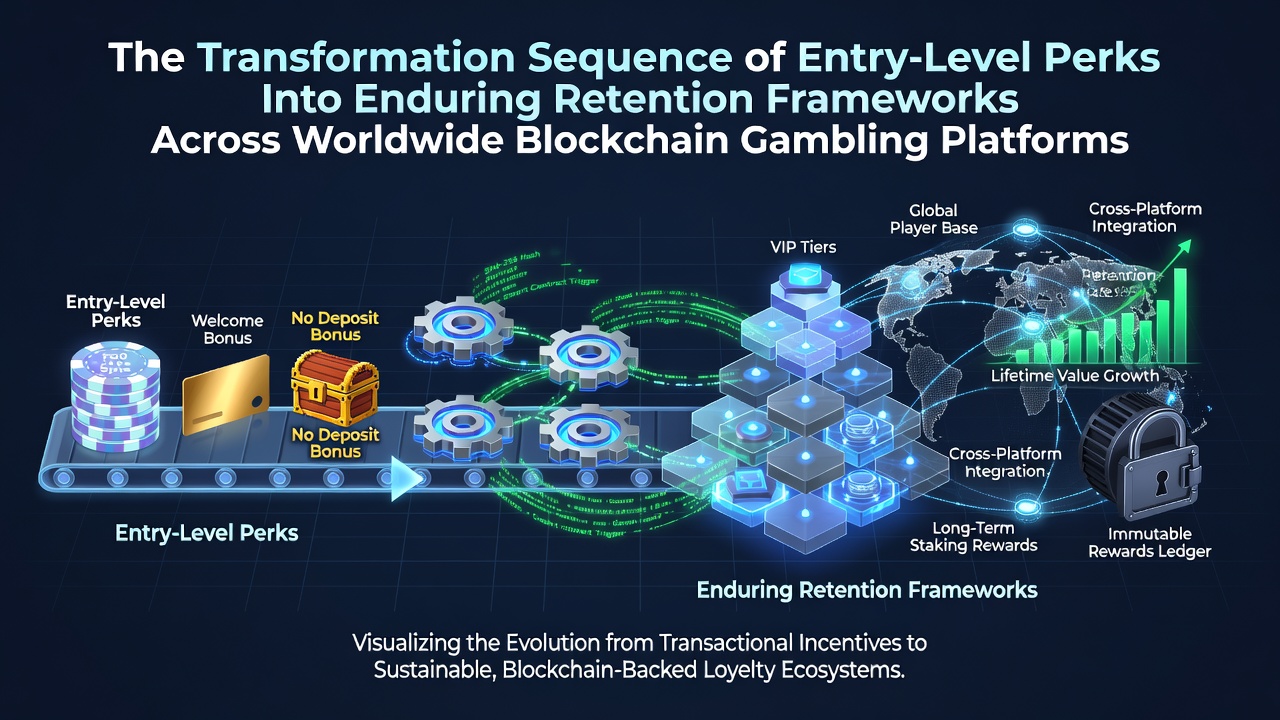
Global Blockchain Casino Networks Evolve Starter Incentives Into Permanent Engagement Systems
Blockchain gambling platforms operate across borders where initial entry perks such as deposit matches and free spins serve as gateways that gradually convert into structured retention frameworks, and data from industry reports indicate these transitions rely on smart contract automation plus tiered loyalty protocols. Observers note that platforms in Asia, North America, and Europe deploy these sequences to maintain user activity long after the first deposit cycle ends.
Entry-level incentives typically include welcome packages funded through cryptocurrency deposits, and these offers trigger upon account verification while smart contracts lock initial rewards until basic wagering thresholds clear. Research from the Canadian Gaming Association shows that such perks attract new users at rates 30 percent higher than traditional fiat systems because transaction speeds allow immediate access to play funds.
Mechanics Driving the Shift From One-Time Offers to Ongoing Structures
Once players complete initial requirements, algorithms embedded in blockchain ledgers analyze activity patterns and automatically migrate users into loyalty tiers, whereas manual systems in older platforms required separate registrations. This automation reduces drop-off rates, according to figures released by the Australian Gambling Research Centre in mid-2025, because rewards distribute without additional user action.
Progression often incorporates play-to-earn elements where accumulated points convert into non-fungible tokens or staking opportunities, and these features extend engagement beyond standard casino games. Platforms integrate decentralized finance protocols so that retained users earn yields on locked tokens, which creates a secondary incentive layer that compounds over months rather than weeks.
Regional Patterns in Retention Framework Adoption
European operators emphasize compliance-linked transitions that tie perk upgrades to responsible gaming markers, while North American blockchain sites focus on high-roller pathways that escalate rewards faster for larger volume players. Data from the European Gaming and Betting Association reveals that tiered systems launched in 2025 increased average session lengths by 22 percent across participating networks.
In June 2026 several Asian platforms introduced cross-chain loyalty bridges that allow users to carry progression status between different blockchain environments, and this development followed regulatory updates in Singapore and Japan that clarified token classification rules. Such bridges prevent fragmentation where players lose accumulated benefits when switching networks.
Technical Components Supporting Long-Term Retention
Smart contracts handle the conversion sequence by releasing escalating benefits at predetermined activity milestones, and oracles feed real-time game data into these contracts to verify eligibility without central oversight. This setup minimizes disputes because every transaction remains visible on the public ledger.
Tokenized loyalty points function as transferable assets that users can trade or stake outside the original platform, yet most frameworks impose vesting schedules to discourage immediate cash-outs. Industry studies from the University of Nevada Gaming Research Center indicate that vesting periods longer than 90 days correlate with 18 percent higher lifetime value per account.
Case Examples of Successful Framework Implementations
One major platform rolled out a system in early 2025 where entry bonuses converted into staking pools after 50 completed bets, and participants received weekly distributions based on platform revenue share. Retention metrics tracked by third-party auditors showed sustained activity through the full calendar year for 65 percent of the initial cohort.
Another network in South America linked free spin allocations to decentralized autonomous organization voting rights, which let active players influence future perk structures, and this participatory element increased return visits according to internal analytics shared with regional trade groups.
Challenges and Adjustments Observed in 2026
Volatility in cryptocurrency values affects perceived value of retained rewards, so platforms introduced stablecoin-denominated tiers to stabilize expectations. Regulatory bodies in multiple jurisdictions continue to review how tokenized benefits fall under existing gambling statutes, which prompts ongoing refinements to contract code.
Security audits remain essential because exploits targeting loyalty contracts could undermine entire retention sequences, and firms now schedule quarterly reviews with independent blockchain security teams to maintain user trust.
Conclusion
Worldwide blockchain gambling platforms demonstrate consistent patterns where entry-level perks evolve into enduring retention frameworks through automated tier progression, tokenized incentives, and cross-chain compatibility features. Reports from diverse regulatory and research bodies confirm that these sequences increase long-term engagement metrics when supported by transparent ledger technology and stable reward mechanisms. As June 2026 developments illustrate ongoing adaptation to regional rules, the core transformation sequence continues to shape user relationships across global networks.