How Smart Contracts Reshape Free Spin Distributions Across Decentralized Betting Platforms
Logan Frank · Jun 14, 2026
How Smart Contracts Reshape Free Spin Distributions Across Decentralized Betting Platforms
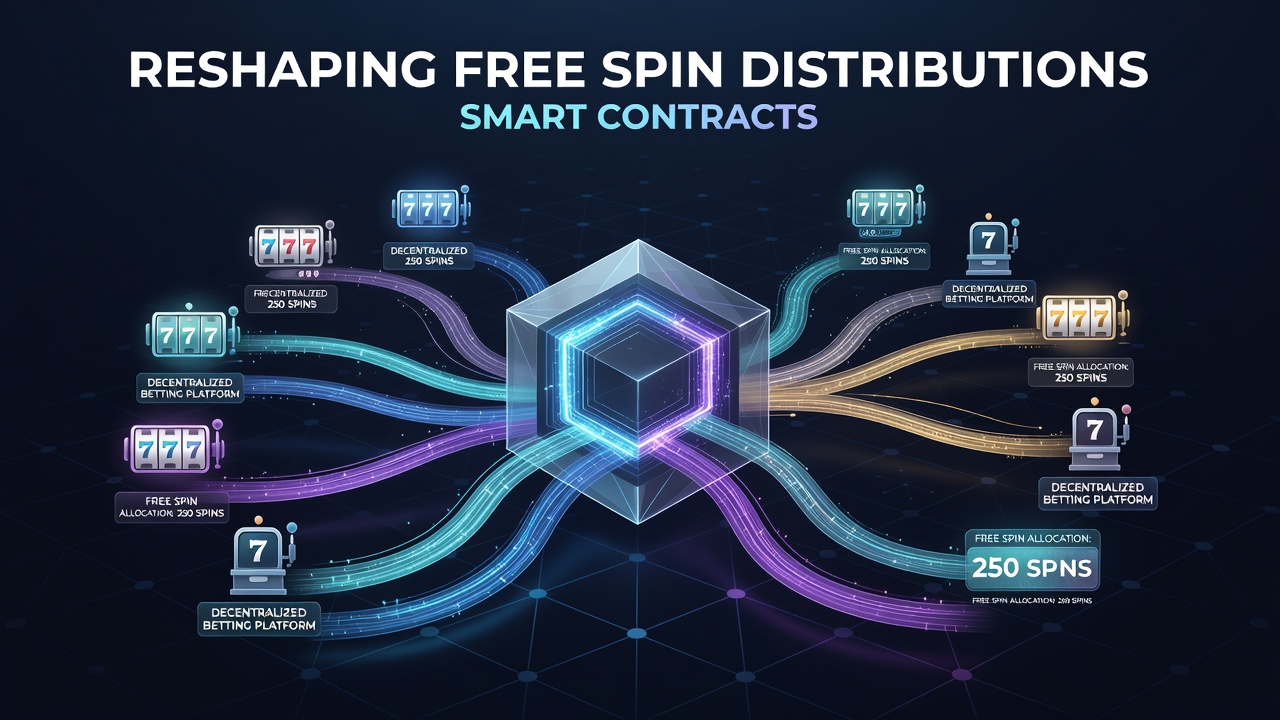
Smart contracts execute predefined rules on blockchain networks without requiring intermediaries, and this capability has started to influence how free spins get allocated on decentralized betting platforms. These self-executing agreements record every distribution step on an immutable ledger, which creates verifiable trails from trigger conditions to player accounts. Observers note that platforms built on Ethereum or similar chains now trigger spin credits automatically once users meet criteria such as minimum wager thresholds or account verification milestones.
Automation Replaces Manual Processes
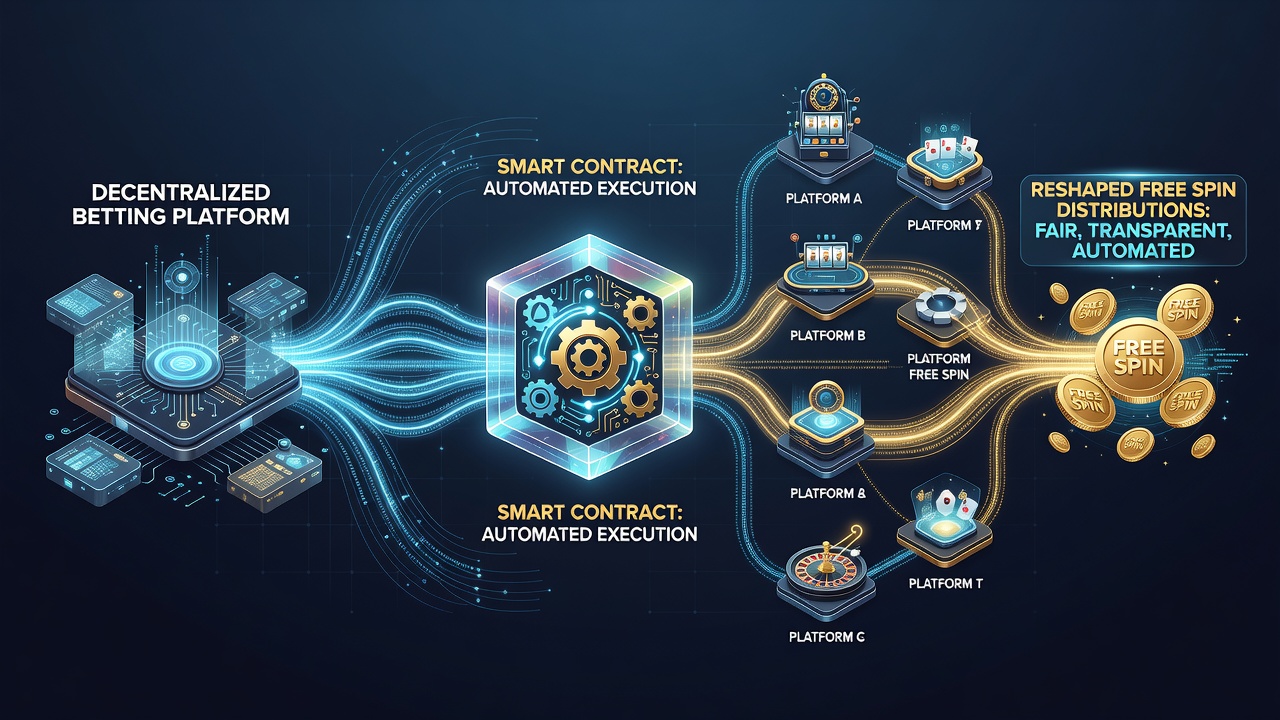
Traditional systems often relied on centralized servers to approve and issue free spins, yet smart contracts eliminate that layer by checking conditions in real time. When a player completes a deposit or reaches a loyalty threshold, the contract releases spins directly to the wallet address. Data from multiple blockchain explorers shows transaction times averaging under 30 seconds for these releases, compared with delays of several minutes or hours in earlier centralized setups. Researchers at institutions tracking distributed ledger adoption report that transaction costs have dropped as platforms migrate to layer-two solutions, making frequent small distributions economically viable.
Transparency and Auditability in Distribution
Every allocation leaves a permanent record that anyone can inspect through public block explorers, which reduces disputes over whether bonuses were delivered. Players and regulators alike gain access to the same data set, while cryptographic signatures confirm that the contract followed its coded parameters exactly. In June 2026 several platforms updated their contracts to include additional logging fields, allowing external auditors to verify distribution volumes against player activity without accessing private keys. This approach aligns with emerging standards discussed by groups such as the European Gaming and Betting Association, which has examined how distributed systems can satisfy reporting requirements across multiple jurisdictions.
One study released by academic teams examining blockchain gambling found that dispute rates related to bonus delivery fell by measurable margins on networks using audited contracts. The same research indicated that average distribution volumes per active address increased because automated triggers fired more consistently than human-operated systems.
Regional Variations in Implementation
Platforms operating in Asia-Pacific markets have integrated smart contracts with local payment rails, while North American operators focus on compliance modules that pause distributions if regional restrictions activate. European platforms often embed tax calculation logic directly into the contract code, calculating withholdings at the moment spins are issued. These differences appear in publicly available contract source code, which developers publish for community review. Figures released by industry monitoring services reveal that Asia-Pacific deployments accounted for the largest share of new contract deployments during the first half of 2026.
Integration with Player Wallets and Loyalty Metrics
Smart contracts frequently connect to on-chain reputation scores or non-fungible tokens that represent player tiers. When a wallet holding a specific token interacts with the betting contract, the system automatically scales the number of spins released. This linkage removes the need for separate customer relationship management databases, since the blockchain itself serves as the source of truth. Multiple platforms now publish their contract addresses so third-party analysts can track how spin volumes correlate with token holdings over time.
According to reports compiled by research groups focused on digital asset usage, loyalty-linked distributions have grown steadily since early 2025. The same reports note that players who hold platform-native tokens receive proportionally higher spin allocations in many current implementations, creating measurable differences in average rewards across wallet cohorts.
Security Considerations and Contract Audits
Because funds and rewards move automatically once conditions are met, platforms commission third-party audits before deploying contracts to mainnet. Audit firms examine code for reentrancy vulnerabilities, integer overflow risks, and access control issues. Public repositories show that most active betting contracts carry multiple audit reports from different firms, with dates and findings listed alongside the source code. When vulnerabilities surface, developers deploy updated contracts and migrate player balances through structured migration functions that preserve historical records.
Regulatory bodies in several Canadian provinces have begun requesting audit summaries as part of licensing discussions for blockchain-based operators. These requests focus on whether the contracts enforce responsible gambling limits, such as maximum daily spin allocations, directly in code rather than through off-chain policies.
Conclusion
Smart contracts continue to standardize the mechanics of free spin distribution on decentralized platforms by embedding rules into transparent, automated code. Transaction records remain accessible for verification, while regional adaptations reflect differing compliance needs. Ongoing contract updates and third-party audits indicate that the technical foundation supporting these distributions is still evolving, with measurable shifts in volume, speed, and auditability documented across multiple networks through mid-2026.