Inside Digital Reward Ecosystems: Examining How Signup Triggers Morph into Lifetime Retention Protocols Across Transnational Virtual Betting Networks
Ben Roth · Jun 4, 2026
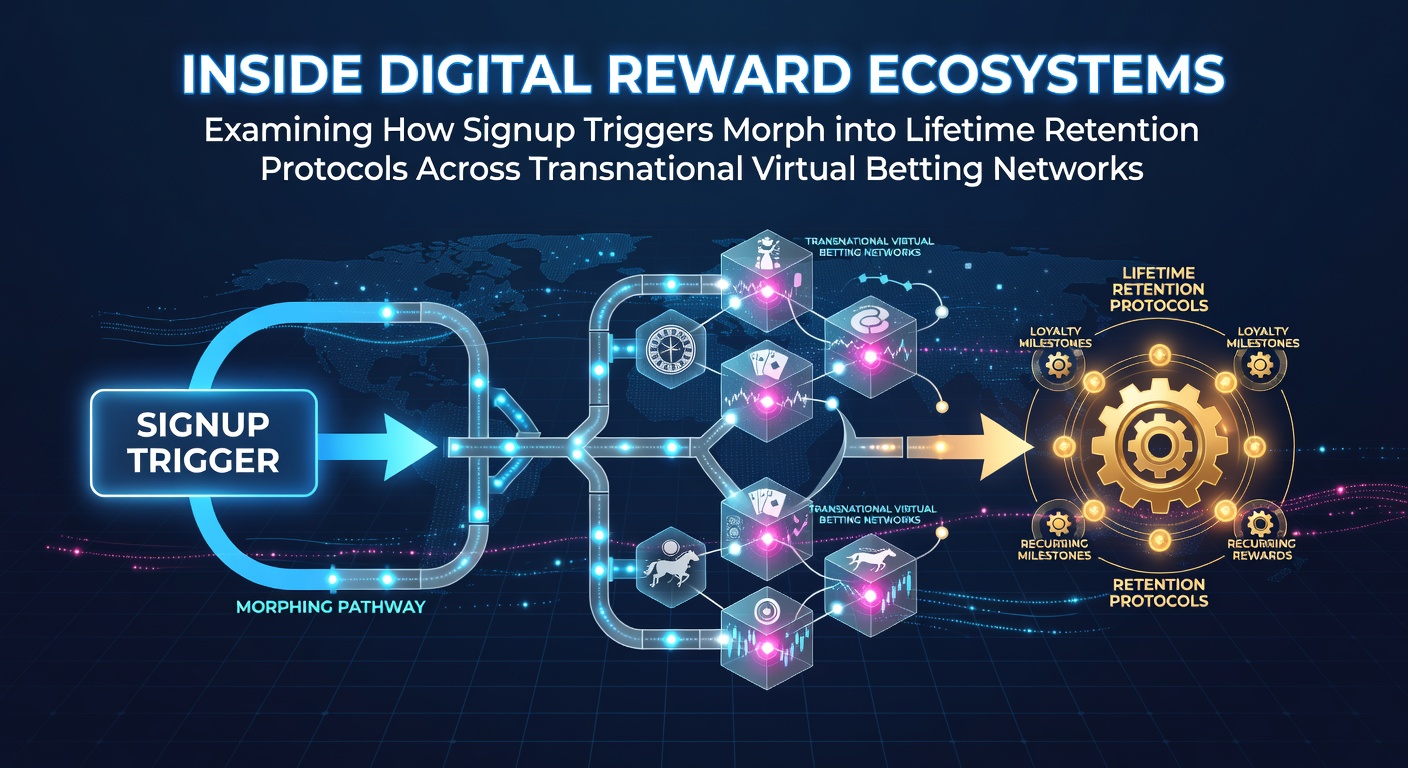
Inside Digital Reward Ecosystems: Examining How Signup Triggers Morph into Lifetime Retention Protocols Across Transnational Virtual Betting Networks
Transnational virtual betting networks operate through interconnected systems where initial signup triggers activate a sequence of layered incentives that evolve into sustained retention protocols, and these structures span multiple jurisdictions while adapting to local regulations and player behaviors. Data from industry reports indicate that operators track user interactions from the moment of registration, converting basic welcome offers into progressive benefit streams that encourage continued participation across borders.
Mechanics of Initial Signup Triggers
Signup triggers typically begin with deposit matches or free spin allocations that require minimal verification steps, yet these entry points feed directly into backend algorithms that monitor activity patterns and adjust subsequent offerings based on engagement metrics. Observers note that platforms collect data on deposit frequency and game preferences within the first 24 hours, which then informs the shift from one-time promotions to recurring reward cycles. Research from the American Gaming Association shows that such early data capture helps operators identify high-value users across networks operating in North America and Europe simultaneously.
Operators deploy these triggers through mobile applications and web portals that synchronize with centralized databases, and this setup allows seamless transitions when players move between different regional sites under the same network umbrella. Those who've examined platform architectures find that triggers often include time-bound conditions, such as completing a set number of spins within seven days, which unlock the next tier of benefits automatically.
Transition Pathways to Retention Protocols
Once signup incentives activate, retention protocols emerge through automated loyalty frameworks that replace short-term bonuses with ongoing advantages like cashback percentages and exclusive tournament entries. These protocols rely on cumulative tracking systems that tally lifetime deposits and wagers, converting raw activity into tiered status levels that persist across multiple platforms. Figures from the European Gaming and Betting Association reveal that retention mechanisms now account for over 60 percent of long-term player value in cross-border operations.

The shift occurs when algorithms detect sustained interaction and introduce elements such as personalized reload bonuses or milestone rewards tied to annual play volumes. In June 2026, several networks updated their protocols to incorporate blockchain-verified transaction histories, which streamlined cross-jurisdictional loyalty transfers and reduced friction for users accessing services from different countries. This update aligned with broader trends where operators prioritize continuity over isolated promotional bursts.
Cross-Border Network Integration
Transnational networks manage retention by harmonizing protocols across disparate regulatory environments, and this requires compliance teams to adjust reward structures according to rules from bodies like the Malta Gaming Authority and the Nevada Gaming Control Board. Data synchronization tools ensure that a player's accumulated points remain valid whether they access services through a European-facing site or a North American partner platform. Experts have observed that these integrations often use API connections to share anonymized behavioral insights while maintaining strict separation of financial records per jurisdiction.
Players encounter retention features that adapt in real time, such as region-specific bonus multipliers that activate based on local currency and tax considerations. Networks achieve this through modular software designs that allow quick reconfiguration without disrupting the core loyalty engine, and such flexibility supports operations spanning Asia-Pacific markets and Latin American jurisdictions simultaneously.
Technological Foundations Supporting Long-Term Engagement
Retention protocols depend on machine learning models that predict churn risks and deploy targeted interventions like time-limited challenges or enhanced reward rates. These models process inputs from signup data onward, refining predictions as player histories lengthen, and they integrate with payment gateways to facilitate instant redemptions that reinforce habit formation. Studies conducted by academic researchers at institutions tracking digital gambling trends demonstrate that platforms employing predictive analytics achieve higher retention rates over multi-year periods compared to those relying on static bonus schedules.
Security protocols embedded within these ecosystems verify user identities across borders while enabling uninterrupted access to accumulated benefits, and this balance supports the continuous flow from initial triggers to lifetime structures. In practice, networks employ encryption standards and audit trails that satisfy multiple regulatory frameworks without requiring players to restart verification processes when switching regions.
Conclusion
Transnational virtual betting networks have developed reward ecosystems where signup triggers systematically evolve into retention protocols through data-driven pathways and integrated technologies. These systems maintain player continuity across jurisdictions by adapting to regulatory variations and leveraging advanced analytics for ongoing engagement. As networks refine their approaches in 2026 and beyond, the emphasis remains on seamless transitions that convert early interactions into enduring participation frameworks.