Mapping Incentive Journeys: The Conversion of Welcome Packages into Sustained Benefits Within Worldwide Online Betting Ecosystems
Jakob Russell · Jun 11, 2026
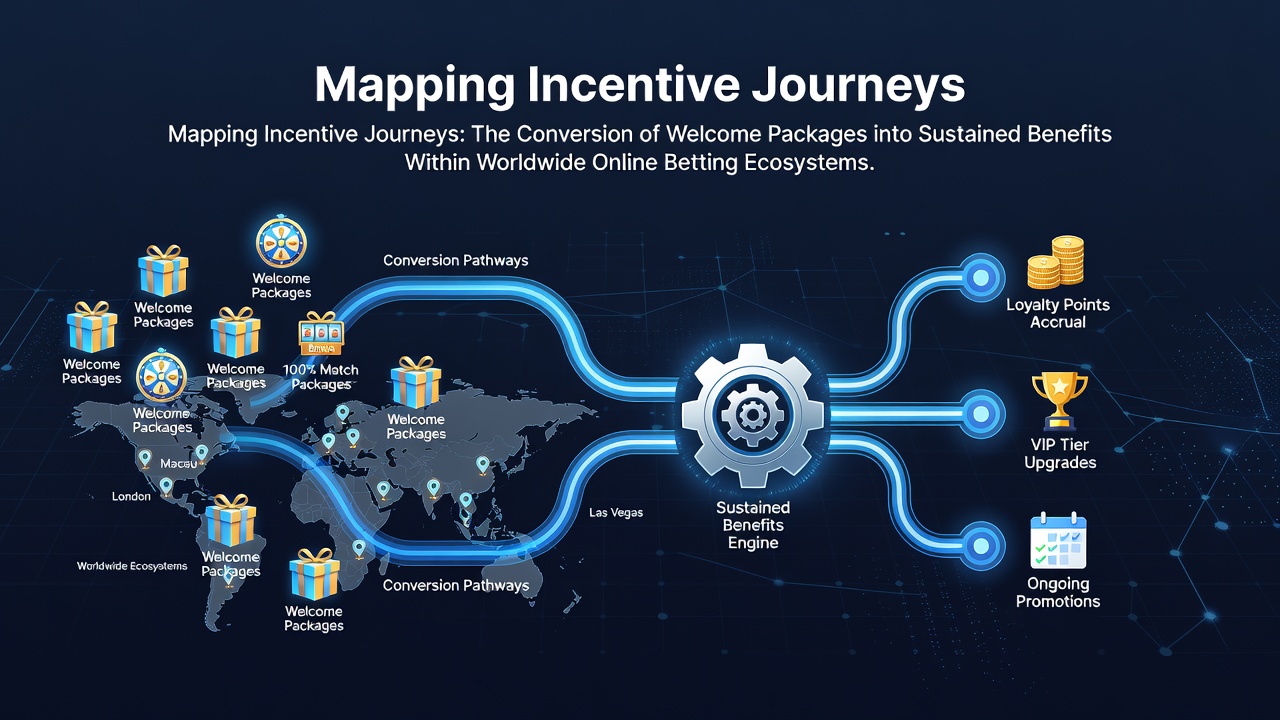
Mapping Incentive Journeys: The Conversion of Welcome Packages into Sustained Benefits Within Worldwide Online Betting Ecosystems
Online betting platforms structure incentive journeys so that initial welcome packages evolve into layered retention systems that operate across multiple jurisdictions and player segments. These pathways rely on data tracking, segmented reward tiers, and regulatory compliance frameworks that vary by region yet share common operational patterns.
Welcome Package Structures and Entry Points
Welcome packages typically combine deposit matches, free spins, and risk-free bets that activate upon first account funding and verification steps. Data from regulatory filings shows these offers convert at rates between 35 and 48 percent when operators enforce clear eligibility rules and payout timelines. In June 2026 several platforms adjusted package values in response to updated tax reporting requirements in North American and Asian markets, which altered how initial credits roll over into ongoing play credits.
Transition Mechanisms from Initial Offers to Retention Layers
Conversion occurs through automated progression systems that monitor wagering volume, session frequency, and game type preferences. Once players complete specified turnover thresholds, algorithms unlock loyalty points, cashback percentages, and personalized reload bonuses. Observers note that operators integrate these triggers with customer relationship management tools to maintain continuity between the welcome phase and subsequent engagement periods. Blockchain-enabled platforms add an extra layer by recording each conversion step on immutable ledgers, which reduces disputes over point allocation and accelerates redemption processes.
Regional Variations in Conversion Pathways
European operators often link welcome conversions to responsible gambling tools that cap loss limits before loyalty tiers activate. Australian platforms emphasize time-based milestones that convert early deposits into ongoing free bet credits tied to specific sporting events. North American systems, particularly in regulated states, tie progression to geofencing compliance and age verification records that feed directly into state tax databases. New Jersey Division of Gaming Enforcement reports indicate that conversion rates improved after 2024 rule changes required transparent display of rollover requirements at the point of offer acceptance.
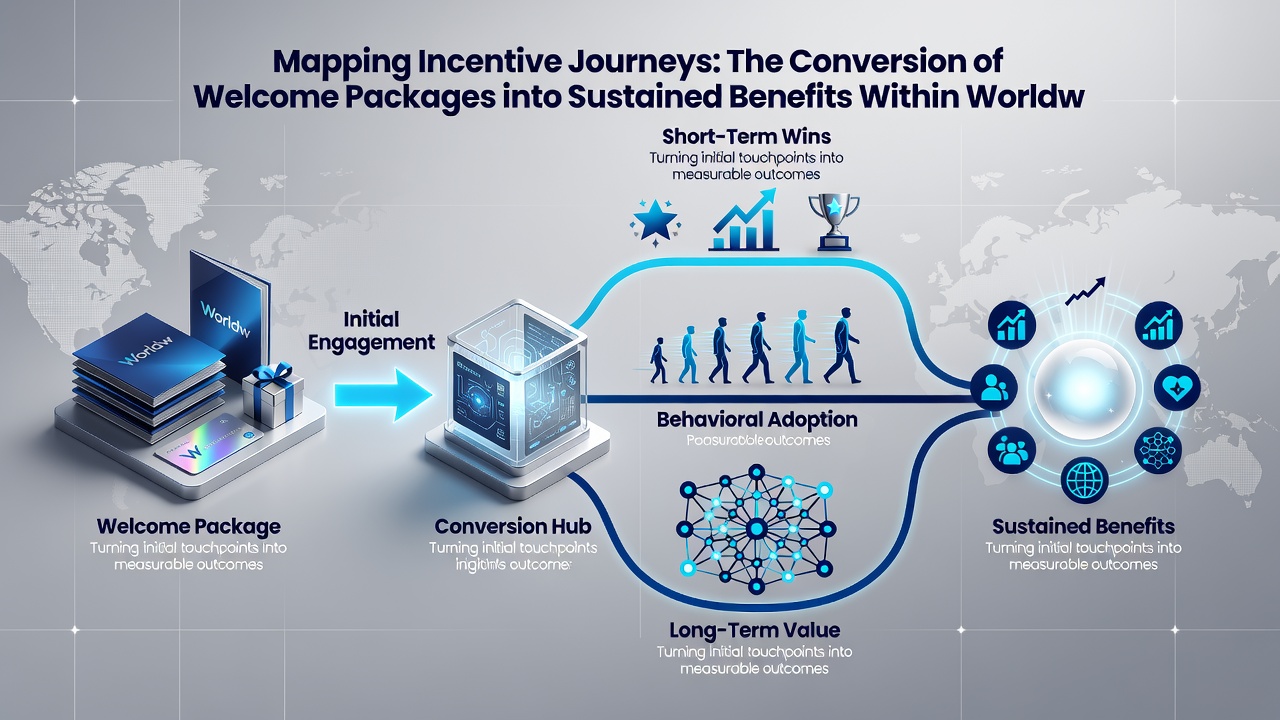
Technology Integration and Data Utilization
Operators deploy machine learning models that predict which welcome package elements most likely lead to sustained activity. These models adjust bonus values in real time based on player risk profiles and historical churn data. Crypto-integrated sites record conversions on distributed ledgers, allowing instant verification of loyalty point balances across multiple betting verticals. Research from academic centers tracking digital gambling behavior shows that platforms using predictive analytics achieve 22 percent higher retention at the six-month mark compared with those relying solely on static bonus schedules.
Regulatory Oversight and Compliance Checkpoints
Conversion journeys must satisfy licensing conditions that prohibit misleading advertising and require clear disclosure of expiration dates. Canadian provincial regulators and Australian state authorities both mandate independent audits of bonus conversion algorithms every twelve months. NSW Office of Liquor, Gaming and Racing documentation outlines how audit findings have prompted operators to simplify terms for loyalty tier advancement, which in turn reduced player complaints by documented margins. Similar frameworks in Singapore and South Africa enforce geographic restrictions that prevent cross-border incentive stacking while still permitting internal progression within approved markets.
Conclusion
Incentive mapping within worldwide online betting ecosystems demonstrates how initial welcome packages feed into sustained benefit structures through sequential data triggers, regional compliance rules, and technological record-keeping systems. The process continues to adapt as new regulatory updates and platform features appear in markets across multiple continents.