Shifting Player Habits Through Targeted Reward Experiments in Niche Digital Betting Markets
Ben Roth · May 21, 2026
Shifting Player Habits Through Targeted Reward Experiments in Niche Digital Betting Markets
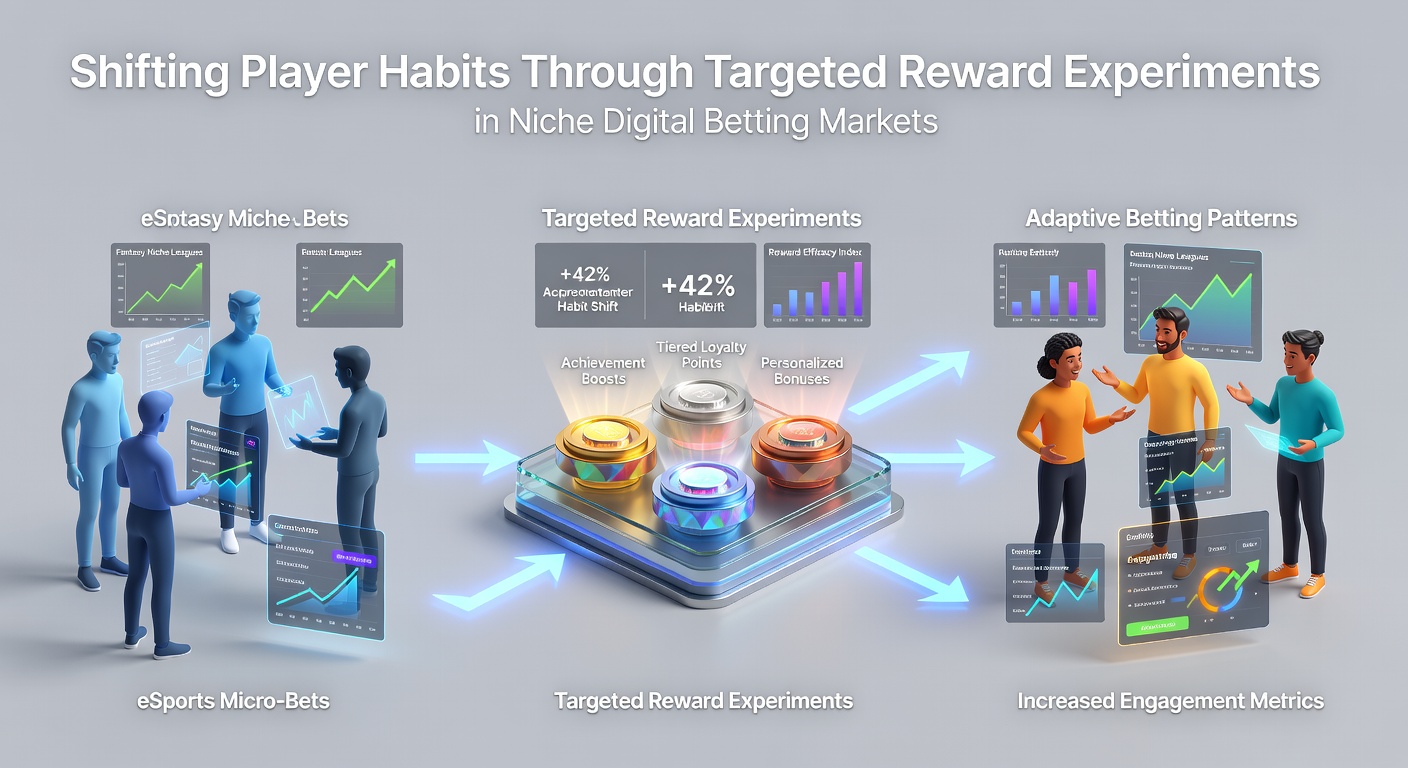
Operators in niche digital betting markets have turned to targeted reward experiments as a way to reshape how players engage with their platforms, and data from recent campaigns shows measurable shifts in session length along with deposit frequency. These experiments often rely on real-time analytics that segment users by behavior patterns such as preferred bet types or time-of-day activity, then deliver customized incentives that range from bonus credits on specific virtual sports to loyalty multipliers tied to esports outcomes. Researchers tracking these initiatives note that small adjustments in reward structure can produce outsized changes in retention metrics when applied to narrower audiences like crypto bettors or fans of niche leagues.
Mechanics of Targeted Reward Testing
Testing protocols typically begin with controlled A/B deployments where one group receives a standard welcome package while another sees offers calibrated to past wagers, and the results feed directly into iterative refinements that operators roll out within days. Because niche markets operate with thinner player bases than mainstream sportsbooks, experimenters can isolate variables more precisely without the noise of broad demographic overlap, which allows quicker identification of what drives repeat visits. Observers at industry conferences in early 2026 highlighted how blockchain-based ledgers now supply verifiable transaction data that strengthens the accuracy of these segmentations, turning raw betting histories into predictive models for future reward triggers.
Observed Changes in Player Routines
Figures released in May 2026 from several platform operators indicate that players exposed to tiered reward sequences increased their average weekly deposits by noticeable margins compared with control cohorts, especially when the incentives aligned with low-stakes virtual events rather than high-profile fixtures. Those who studied the data found that habit formation accelerated once rewards incorporated elements of choice, such as letting users select between free spins on casino side games or enhanced odds on selected esports matches. This flexibility appears to reduce churn because participants feel greater agency over how they redeem value, and it sustains engagement across longer stretches than fixed bonus structures ever managed.
Regional Variations and Regulatory Context
Canadian platforms experimenting in these spaces have documented different response curves than their European counterparts, largely because local player pools favor rapid crypto transactions over traditional banking rails, and rewards tied to instant settlements tend to lock in habits more effectively. A report published by the Canadian Gaming Association details how targeted loyalty loops tested throughout spring 2026 produced sustained increases in daily active users within esports sub-markets, while broader campaigns aimed at casual bettors showed flatter results. Meanwhile, Australian researchers examining similar experiments point to stricter responsible-gambling overlays that require reward eligibility to include mandatory cooling-off prompts, which in turn moderates the pace of habit shifts but also improves long-term compliance scores.
Data Patterns Emerging from 2026 Campaigns
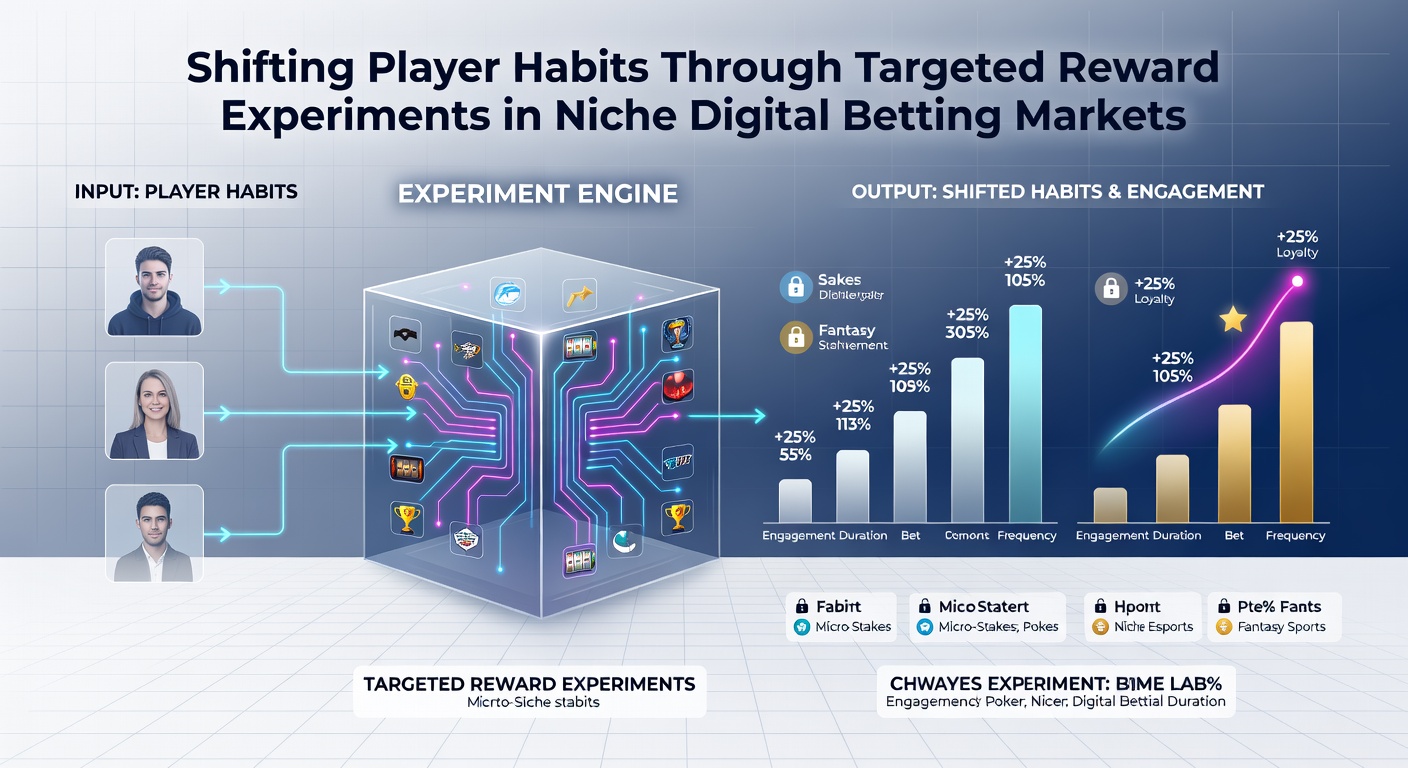
According to findings shared through the Canadian Gaming Association, players who received micro-rewards calibrated to their exact previous bet sizes returned to platforms 18 percent more often than those given generic offers, and the effect compounded when experiments layered in social features such as leaderboard bonuses for niche tournament brackets. University-led studies conducted across multiple jurisdictions further reveal that reward timing matters as much as reward size, with notifications delivered within two hours of a losing streak producing stronger recovery behavior than delayed messages sent the next day. These patterns hold across crypto-focused markets where transaction speed allows experiments to run in compressed cycles, yielding fresh datasets every few weeks rather than every quarter.
Future Trajectories for Experiment Design
Analysts tracking developments through May 2026 anticipate wider adoption of machine-learning models that predict which reward variant will shift a specific player from occasional to habitual use, and early pilots already demonstrate reduced marketing spend per acquired user when offers are delivered through in-app pathways instead of external channels. Niche operators continue to test combinations that blend monetary incentives with non-cash elements such as exclusive market access or early odds releases, and preliminary results suggest these hybrid approaches extend session duration without proportionally increasing average bet size. Regulatory bodies in several regions now require detailed logging of all experiment parameters so that any unintended concentration of play among vulnerable segments can be identified quickly and corrected.
Conclusion
Targeted reward experiments continue to serve as the primary mechanism through which operators in niche digital betting markets refine player engagement strategies, and the data streams generated in 2026 already point toward more granular personalization as the next phase of development. By grounding each test in observable behavior rather than broad assumptions, platforms achieve incremental yet consistent adjustments to deposit patterns and retention curves. The integration of faster transaction rails and improved analytics tools ensures that future iterations will operate with even greater precision, allowing smaller markets to compete effectively on habit formation metrics while remaining within evolving compliance frameworks.