The Mechanics Behind Allocating No-Cost Rotations in Emerging Digital Gambling Applications Powered by Blockchain Technology
Logan Frank · May 19, 2026
The Mechanics Behind Allocating No-Cost Rotations in Emerging Digital Gambling Applications Powered by Blockchain Technology
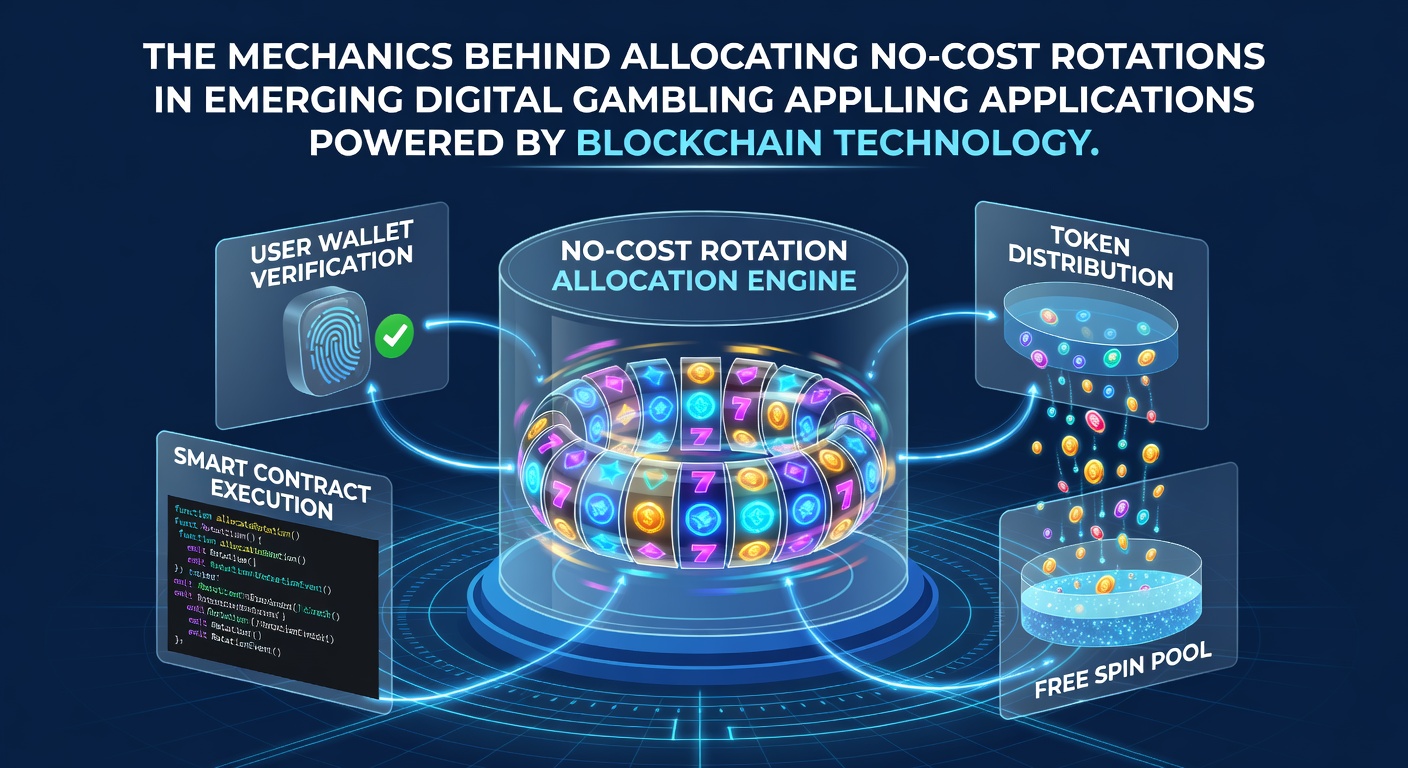
Blockchain technology continues to reshape how emerging digital gambling applications handle the distribution of no-cost rotations, often called free spins in traditional terms, through automated systems that rely on smart contracts and distributed ledgers. These mechanisms replace older centralized databases with transparent protocols where allocations occur via predefined code executed across multiple nodes, ensuring that every transaction remains verifiable without requiring trust in a single operator. Developers build these systems to trigger rotations based on user activity thresholds or promotional events, while cryptographic tokens represent the rotations themselves as digital assets that players can claim directly in their wallets.
Core Components of Blockchain Allocation Systems
Smart contracts form the foundation for these allocation processes, and they execute automatically once conditions such as deposit verification or gameplay milestones get met, according to recent industry analyses from the Blockchain Research Institute. The contracts pull data from oracles that feed real-time information into the network, allowing platforms to confirm player eligibility before releasing rotations as non-fungible tokens or fungible credits tied to specific games. Random number generation integrates through verifiable random functions that prevent manipulation, a process that observers note has gained traction in applications launched since early 2025 and remains active in May 2026 deployments across multiple jurisdictions.
Token standards like ERC-20 and ERC-1155 facilitate the actual transfer of these no-cost rotations, enabling seamless movement between platform wallets and user accounts on networks such as Ethereum or Solana. Allocation queues get managed through consensus mechanisms where validators confirm each batch of distributions, which reduces disputes and creates an immutable record of every rotation issued. Data from the Canadian Centre for Gaming Research indicates that platforms using these methods report higher transparency metrics compared to legacy systems, particularly when tracking promotional volumes during peak periods.
Integration with Player Wallets and Verification Protocols
Player onboarding in these applications typically involves connecting a cryptocurrency wallet that serves as the primary interface for receiving no-cost rotations, and this connection allows direct interaction with the smart contract without intermediate accounts. Verification steps incorporate zero-knowledge proofs that confirm eligibility while keeping personal data private, a technique that aligns with privacy regulations in regions like the European Union and parts of Australia. Once verified, the system mints or transfers the rotation tokens instantly, and players can then redeem them on designated slot titles or table games within the application ecosystem.
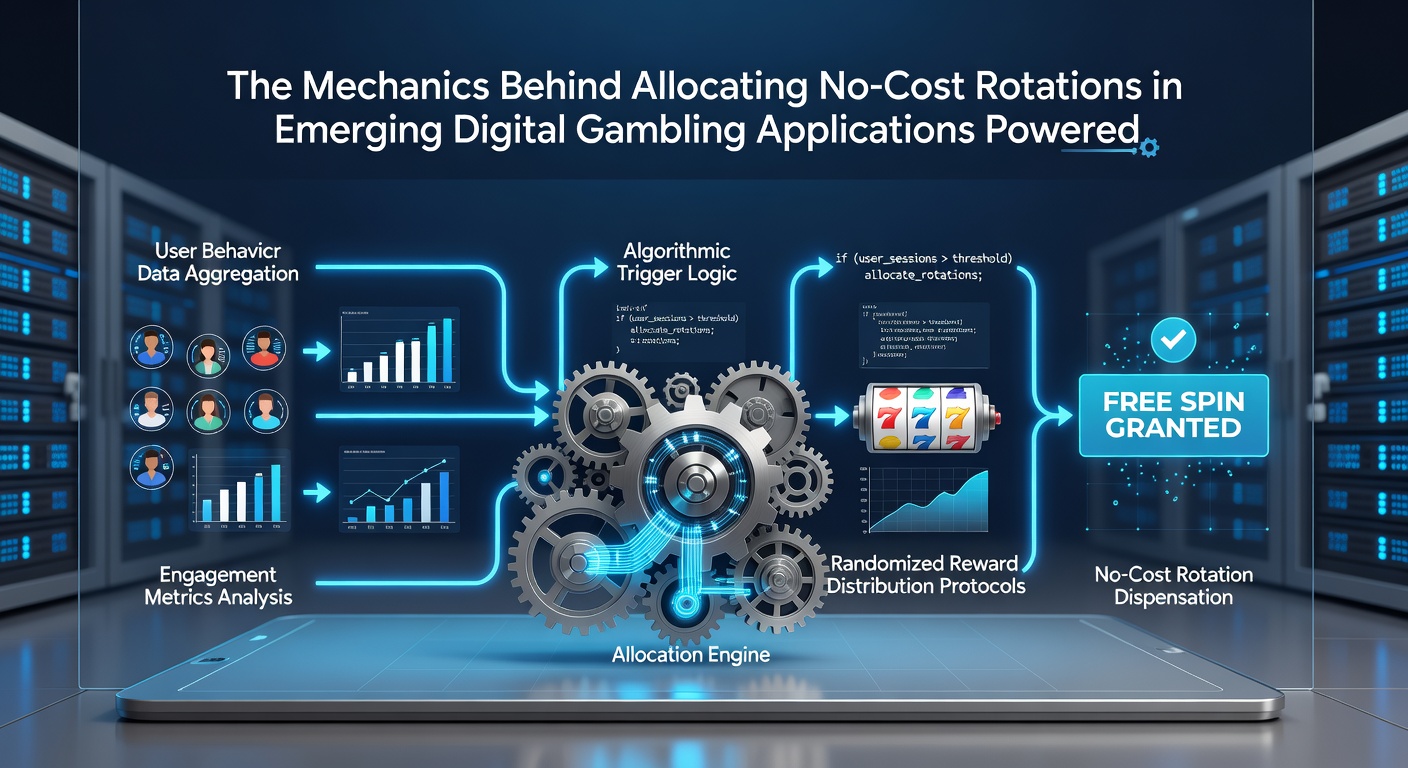
Transaction fees remain minimal on layer-two solutions that many applications adopt to handle high-volume rotation allocations efficiently, and these optimizations support the growing user bases observed in blockchain-based platforms through spring 2026. Audits conducted by independent firms examine the contract code beforehand to certify that allocation logic cannot be altered post-deployment, which provides an additional layer of security for both operators and participants. Researchers at various academic institutions have documented how such audits correlate with increased platform adoption rates in competitive markets.
Regulatory and Transparency Considerations
Regulatory bodies in different regions have begun outlining frameworks that address blockchain-driven promotions, including requirements for provable fairness in rotation distribution. In Canada, for instance, provincial gaming authorities review these systems for compliance with consumer protection standards, while similar oversight appears in select Australian states where digital gambling sees expanding oversight. The immutable nature of blockchain records allows regulators to audit allocation histories directly, which simplifies compliance checks compared to traditional opaque databases that often required manual reconciliation processes.
Cross-chain compatibility tools further expand how applications allocate no-cost rotations across multiple networks, letting users from varied blockchain ecosystems participate without converting assets manually. This interoperability supports broader market reach and accommodates fluctuating token values through dynamic pricing algorithms embedded in the contracts themselves. Figures from global gaming associations reveal steady growth in these hybrid models as operators seek to differentiate offerings amid increasing competition.
Conclusion
Allocation mechanics in blockchain-powered digital gambling applications continue to evolve with advancements in smart contract design and oracle reliability, creating systems where no-cost rotations distribute through transparent, automated pathways that benefit from distributed verification. As platforms refine these processes in response to regulatory guidance and technological improvements observed through May 2026, the focus remains on maintaining verifiable fairness while expanding accessibility for users across different regions. These developments highlight how distributed ledger technology integrates with gambling mechanics to produce traceable outcomes without central points of failure.