The Ripple Effect: How Trial Enticements Evolve into Enduring Engagement Frameworks Across Blockchain-Enabled Global Betting Arenas
Bianca Jenkins · Jun 9, 2026
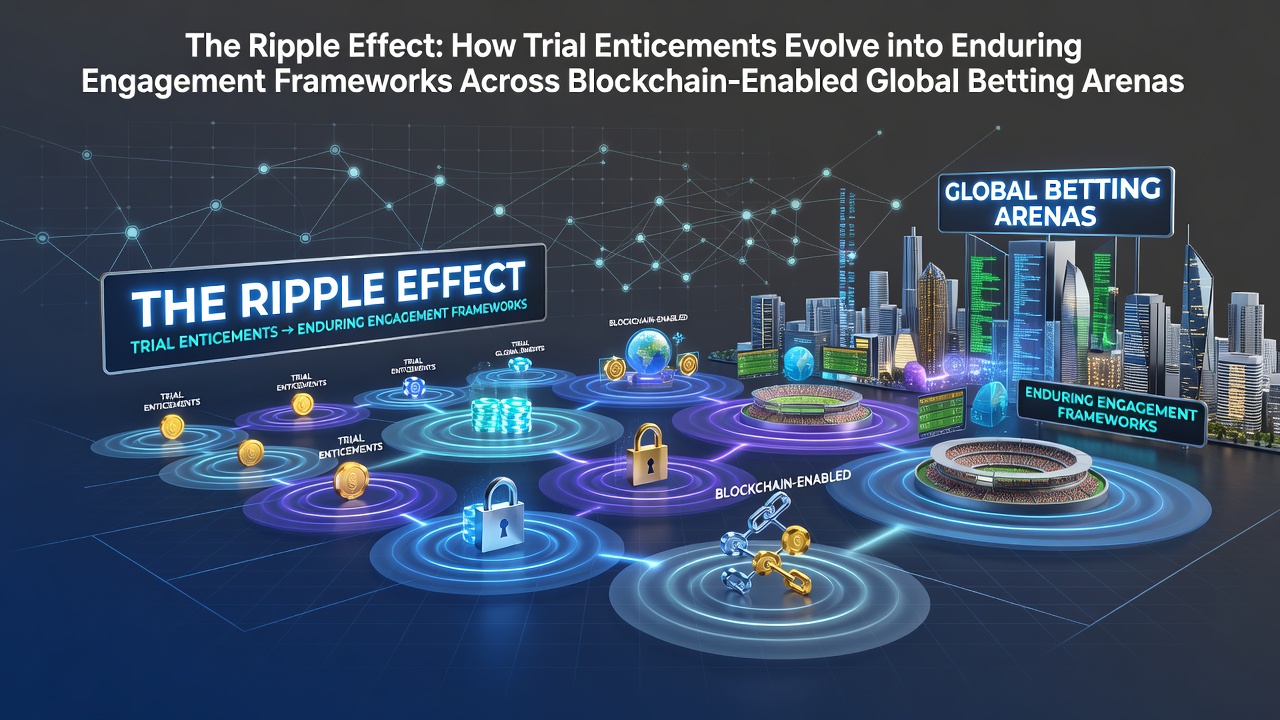
The Ripple Effect: How Trial Enticements Evolve into Enduring Engagement Frameworks Across Blockchain-Enabled Global Betting Arenas
Blockchain-enabled betting platforms have transformed the way initial trial offers develop into sustained participation systems that span multiple jurisdictions and player segments, and data from industry reports continue to track these shifts across decentralized networks.
Trial enticements typically begin as straightforward access mechanisms such as free token allocations or zero-fee entry points that lower barriers for new participants, yet these starting points trigger sequences where user activity feeds into layered reward protocols built on smart contracts and transparent ledger entries.
Mechanics of Early-Stage Incentives in Decentralized Networks
Operators deploy trial structures that leverage blockchain's immutable records to verify participation without traditional account verification delays, which allows instant onboarding across borders while maintaining compliance logs that regulators can audit in real time. Research from academic institutions shows these entry points often incorporate randomized reward distributions that encourage immediate engagement, and the resulting transaction data populates player profiles that algorithms later use to calibrate ongoing benefit tiers.
Those who examine platform architectures note that initial incentives function as data-collection vectors, gathering behavioral metrics that inform the design of subsequent engagement layers, and this progression occurs automatically through coded conditions rather than manual interventions.
Transition Pathways from Trial Offers to Retention Protocols
Once participants complete the trial phase, smart contracts automatically escalate access to structured frameworks that include progressive staking requirements, tiered multiplier systems, and cross-game reward pooling, and these mechanisms create continuity that extends participation cycles over months or years. Figures from the American Gaming Association indicate that blockchain-integrated sites report higher retention rates when trial offers feed directly into loyalty ledgers that accumulate value across sessions.
Observers tracking platform updates point out that the shift gains momentum in periods of regulatory adjustment, such as the June 2026 rollout of enhanced interoperability standards in several North American jurisdictions that permitted seamless transfer of accumulated rewards between licensed operators.

Regional Variations in Engagement Framework Development
European platforms have integrated trial enticements with national self-exclusion databases through encrypted identifiers, which ensures that progression into long-term structures respects player protection mandates while still delivering personalized reward sequences. Data compiled by the Canadian Gaming Association reveals that operators in provinces with blockchain pilots have recorded measurable increases in sustained play when initial bonuses convert into tokenized loyalty points that holders can exchange or stake.
Asian markets demonstrate parallel patterns where trial offers evolve into community-governed pools that distribute returns based on collective volume, and these models rely on transparent on-chain voting to adjust payout parameters over time.
Technical Infrastructure Supporting Long-Term Structures
Decentralized applications employ oracles to pull external performance data into reward calculations, which keeps engagement frameworks responsive to live market conditions without central authority intervention, and this architecture reduces disputes because every allocation remains verifiable by participants. Industry analyses from research bodies such as the International Association of Gaming Regulators document how these systems scale across thousands of concurrent users while preserving audit trails that satisfy oversight requirements in multiple countries.
Platform developers continue to refine gas-fee optimization techniques so that micro-rewards within loyalty structures remain economically viable even during high network congestion, and the resulting efficiency supports the expansion of engagement models into emerging markets.
Regulatory Influences on Framework Evolution
Policy changes in 2026 have prompted operators to embed compliance checkpoints directly into smart contracts that govern the transition from trial incentives to enduring benefits, and these automated gates verify age, location, and responsible-gaming status before releasing escalated rewards. Reports issued by the Australian Communications and Media Authority highlight how such integrations have streamlined oversight without disrupting player progression pathways.
Stakeholders in the sector observe that transparent ledgers also facilitate tax reporting and anti-money-laundering checks, which in turn encourages broader adoption of blockchain frameworks by established gambling entities seeking to modernize their retention offerings.
Conclusion
The evolution of trial enticements into comprehensive engagement systems across blockchain-enabled betting arenas rests on automated, data-driven transitions that adapt to regulatory environments and technological capabilities, and current trajectories suggest continued refinement as interoperability standards advance and new jurisdictions establish clear guidelines for decentralized operations.