Tracing Incentive Evolution in Worldwide Blockchain Gaming Networks
Sofia Becker · Aug 16, 2026
Tracing Incentive Evolution in Worldwide Blockchain Gaming Networks
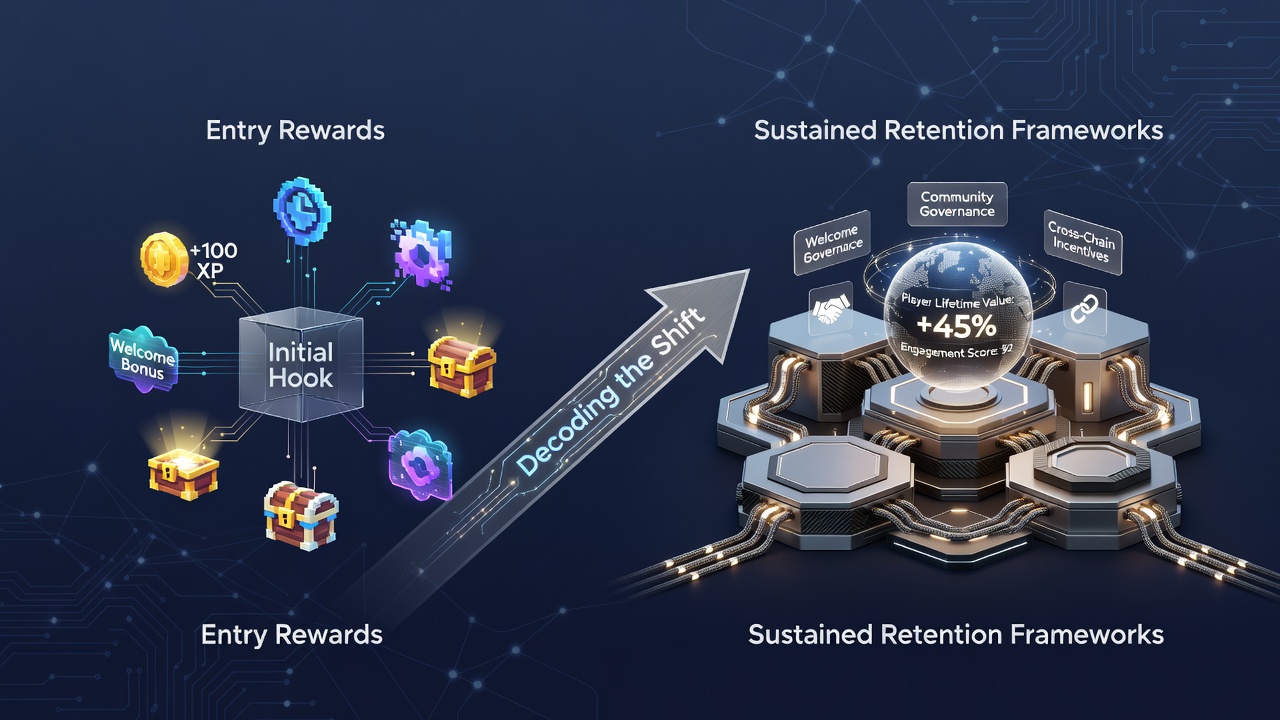
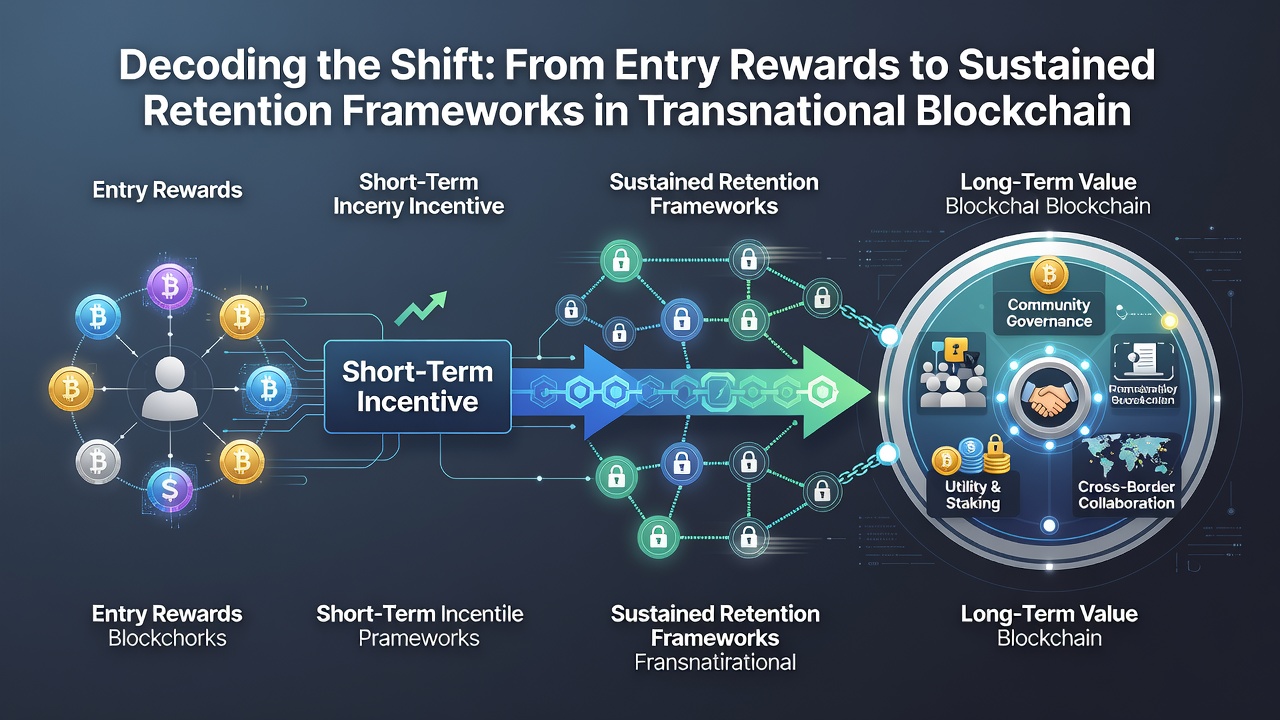
Operators in transnational blockchain gaming arenas have shifted focus from one-time entry rewards such as welcome packages and no-deposit spins toward retention frameworks built on continuous engagement tools, and this change reflects broader patterns in player data analysis across multiple regions. Research from industry bodies shows that initial incentives still attract new users yet contribute less to lifetime value compared with ongoing mechanisms like staking rewards, NFT-based access tiers, and community governance participation. Data collected through August 2026 indicates rising adoption of these sustained models among platforms operating across Asia, Europe, and North America.
Core Components of Entry-Level Incentives
Entry rewards in blockchain gaming typically include deposit matches, free token allocations, and early access to play-to-earn features that lower barriers for newcomers. These offerings operate through smart contracts that automate distribution while maintaining transparency on the ledger. Figures from gaming associations reveal that such promotions drove initial sign-ups in prior years yet produced high churn rates once the one-time benefits expired.
Platforms integrate these incentives with wallet connections and KYC-light processes to speed onboarding, although regulatory variations across jurisdictions require careful compliance checks. Observers note that entry rewards function mainly as acquisition tools rather than long-term value drivers, which explains the industry-wide pivot observed in recent platform updates.
Drivers Behind the Move to Retention Systems
Market data shows that retention frameworks emerged because repeated entry bonuses proved costly and less effective at maintaining active user bases over time. Blockchain-specific tools such as token vesting schedules, loyalty points convertible to governance votes, and tiered reward multipliers tied to play volume now form the backbone of these systems. A report released by the Asia Pacific Gaming Research Institute in August 2026 documented how platforms using these methods recorded steadier revenue streams compared with those relying primarily on welcome offers.
Developers incorporate on-chain analytics to personalize ongoing benefits, allowing rewards to scale with individual activity patterns rather than remaining static. This approach reduces dependency on broad promotional campaigns while aligning operator costs more closely with actual player contributions. External factors including evolving tax rules in several markets and competition from traditional online casinos have further accelerated the transition.
Implementation Examples Across Regions
European operators have introduced cross-game loyalty ledgers that track participation across multiple titles and convert activity into redeemable assets or exclusive event access. North American platforms, meanwhile, emphasize staking pools that reward consistent play with yields derived from transaction fees, creating direct economic ties between users and network health. Australian research groups have tracked similar experiments where players receive progressive multipliers based on cumulative on-chain volume rather than isolated deposits.
These frameworks often blend centralized dashboards with decentralized verification to balance user experience and security. One documented case involved a platform that replaced flat welcome bonuses with a points system linked to seasonal events, resulting in extended session lengths according to internal metrics shared with industry partners. Such adaptations highlight how retention tools adapt to local preferences while operating on global blockchain infrastructure.
Technical and Regulatory Considerations
Smart contract upgrades now support dynamic reward calculations that adjust in real time based on network activity and player tenure. Interoperability standards allow rewards earned on one chain to transfer or convert within partner ecosystems, reducing fragmentation that previously limited engagement. Regulatory bodies in Canada and Singapore have issued guidance encouraging transparent disclosure of retention mechanics to protect participants from opaque vesting conditions.
Security audits remain central because retention systems handle larger token volumes over extended periods than entry promotions. Platforms that integrate multi-signature controls and regular third-party reviews maintain higher trust levels among users who participate in long-term programs. These technical layers support the shift without compromising the decentralized principles that define blockchain gaming.
Conclusion
The evolution from entry rewards to sustained retention frameworks continues to reshape transnational blockchain gaming as operators refine tools that prioritize ongoing participation over initial acquisition. Reports through August 2026 confirm measurable differences in player duration and network stability when these systems receive priority. Continued development in analytics, interoperability, and regulatory alignment will determine how widely these models expand across additional markets.