Tracing Regional Policy Shifts That Reshape Deposit-Free Rotation Availability Across Asian Digital Platforms
Logan Frank · May 24, 2026
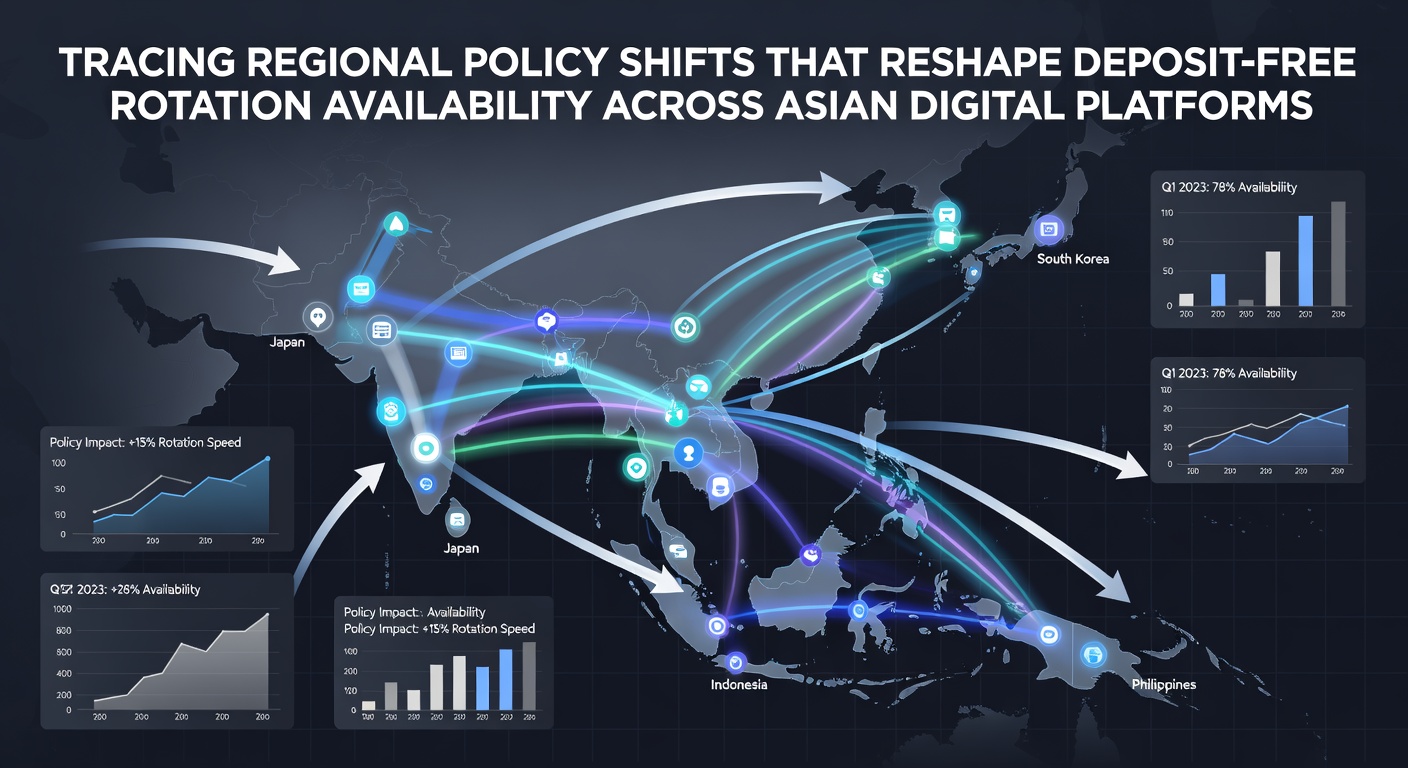
Tracing Regional Policy Shifts That Reshape Deposit-Free Rotation Availability Across Asian Digital Platforms
Regional governments across Asia continue to adjust rules around deposit-free rotations on digital platforms, and these adjustments create measurable effects on how operators deliver no-cost spins to users in multiple jurisdictions. Observers note that changes in licensing terms, tax structures, and consumer protection measures often intersect to alter availability, while platforms respond by updating bonus mechanics to stay compliant.
East Asian Adjustments and Their Reach
Japan’s phased casino legalization framework reached a key milestone when prefectural approvals incorporated stricter player verification steps that indirectly limit how deposit-free rotations appear in promotional materials. Data from industry trackers shows operators reduced the frequency of such offers in certain prefectures after the updates took effect, and this pattern extends to cross-border digital access where Japanese users connect to offshore sites.
South Korea maintains tight controls on online gambling yet permits limited domestic platforms under pilot programs, and recent amendments to the Special Act on the Regulation and Punishment of Speculative Acts introduced new reporting requirements for bonus structures. Those requirements have led some operators to restrict deposit-free rotations for accounts registered with Korean IP addresses, while users outside the country continue to see broader availability through the same platforms.
Southeast Asian Developments
The Philippines’ PAGCOR has rolled out revised guidelines for online gaming licensees that emphasize responsible gaming disclosures, and these guidelines require clearer separation between promotional credits and actual deposit-free rotations. Platforms operating under PAGCOR licenses adjusted their marketing language accordingly, resulting in fewer automatic free spin grants without prior account funding in the first quarter of 2026.
Malaysia’s state-level variations create a patchwork where certain regions permit digital betting while others prohibit it outright, and enforcement actions in 2025 prompted several major platforms to geo-block deposit-free promotions for Malaysian users entirely. Singapore’s Casino Regulatory Authority, meanwhile, focuses on land-based integration yet influences digital offerings through financial transaction rules that discourage bonus-funded play without deposits.
Impact on Platform Operations
Operators respond to these shifts by segmenting bonus availability based on user location data, and this segmentation often relies on IP detection combined with account verification layers. Research from regional gaming associations indicates that platforms serving multiple Asian markets now maintain separate bonus pools, one set compliant with stricter jurisdictions and another for less regulated areas.
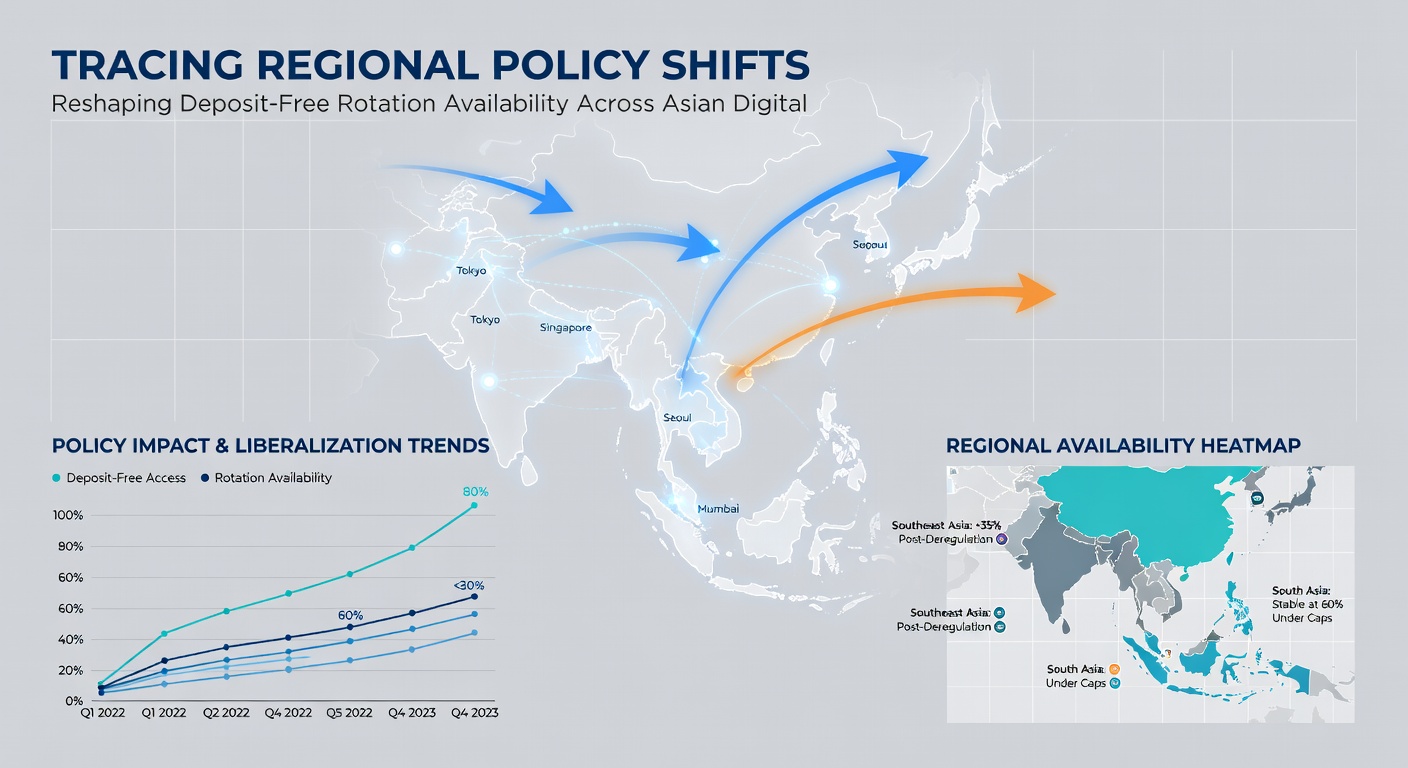
Payment processor partnerships also play a role, because several banks and e-wallets in Indonesia and Thailand have adopted policies that flag transactions linked to bonus redemptions. This forces platforms to redesign rotation offers so they trigger only after minimal deposits or through alternative reward pathways that avoid direct regulatory triggers.
Cross-Border User Patterns
Users in less restrictive markets continue to access deposit-free rotations through platforms licensed elsewhere, yet connectivity issues arise when VPN usage triggers additional verification. Figures from network monitoring services reveal increased traffic rerouting around May 2026 as operators tested new compliance layers ahead of anticipated regional summits on digital gambling standards.
Academic studies from institutions such as the National University of Singapore examine how these policy layers affect player migration between platforms, and preliminary findings point to measurable drops in engagement metrics for offers that require extra verification steps. Similar analysis appears in reports compiled by the Asian Productivity Organization, which tracks productivity impacts across entertainment sectors including digital gaming.
Conclusion
Policy shifts across Asian jurisdictions continue to reshape deposit-free rotation availability by introducing verification hurdles, geo-specific restrictions, and disclosure mandates that operators must navigate in real time. Platforms adapt through segmented offerings and technical filters while users experience varying levels of access depending on their location and connection method. The resulting landscape reflects ongoing regulatory evolution rather than static rules, with further adjustments expected as governments monitor outcomes from recent implementations.