Tracing Synchronization Patterns Between Player Activity Cycles and Adaptive Reward Calibrations in Transnational Virtual Entertainment Platforms
Logan Frank · Jun 21, 2026
Tracing Synchronization Patterns Between Player Activity Cycles and Adaptive Reward Calibrations in Transnational Virtual Entertainment Platforms
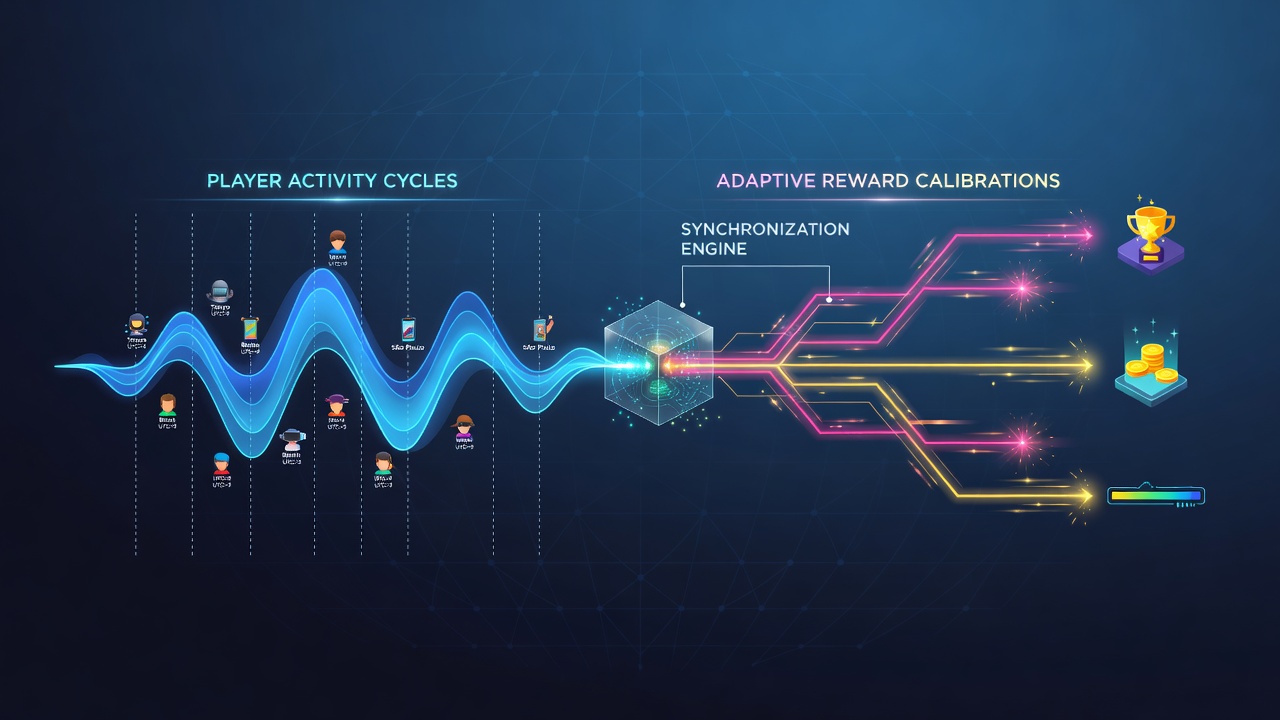
Transnational virtual entertainment platforms track player activity through detailed logging systems that record login frequencies, session durations, and interaction intensities over extended periods, and these records reveal recurring cycles that peak during evenings in major time zones while dipping during standard work hours across regions. Adaptive reward calibrations respond to these cycles by adjusting bonus values, spin allocations, and loyalty multipliers in real time, which creates measurable alignments between behavior spikes and reward outputs according to internal platform analytics.
Player Activity Cycles Across Global Networks
Activity cycles emerge from aggregated user data collected on platforms operating in multiple jurisdictions, where researchers at institutions such as the International Center for Gaming Regulation have documented consistent weekly rhythms that include heightened engagement on weekends and sustained lower levels midweek. These patterns extend across borders because users in different countries access the same servers, which allows operators to identify synchronized surges tied to local holidays or sporting events that transcend single markets. Daily cycles show morning activity concentrated among users in Asia-Pacific regions while evening peaks occur among European and North American participants, and platforms use timezone mapping to calibrate responses without disrupting overall network stability.
Longer monthly cycles appear when data aggregation spans several weeks, revealing drops following major payout events followed by gradual recovery phases, and these oscillations help systems predict when engagement might require recalibration to maintain steady participation rates. Observers note that blockchain-enabled platforms add transparency layers to cycle tracking because transaction histories provide immutable timestamps that verify activity sequences across transnational boundaries.
Adaptive Reward Calibration Mechanisms
Reward systems employ machine learning models that ingest cycle data to modify incentive structures, for instance increasing free spin quantities during identified low-activity windows or scaling cashback percentages when session lengths exceed platform thresholds. Calibration occurs through automated scripts that reference historical datasets, and adjustments happen in increments small enough to avoid user detection yet large enough to influence retention metrics reported in quarterly industry summaries.
June 2026 updates to several major platforms introduced enhanced calibration protocols that incorporated weather pattern correlations from user locations, which allowed rewards to adapt during regional events that historically correlate with reduced screen time. These refinements build on earlier frameworks where basic time-based triggers evolved into multi-variable equations incorporating deposit frequency, game type preferences, and cross-platform migration data.
Synchronization Patterns and Data Integration
Alignment between cycles and calibrations appears most clearly in how reward delivery timing matches activity troughs to stimulate recovery, with studies from the University of Nevada Las Vegas gaming research division showing that platforms achieving sub-hour response lags report higher average session continuity. Data integration occurs via centralized dashboards that merge real-time feeds from activity monitors with reward engines, creating feedback loops where successful calibrations reinforce the next cycle prediction.
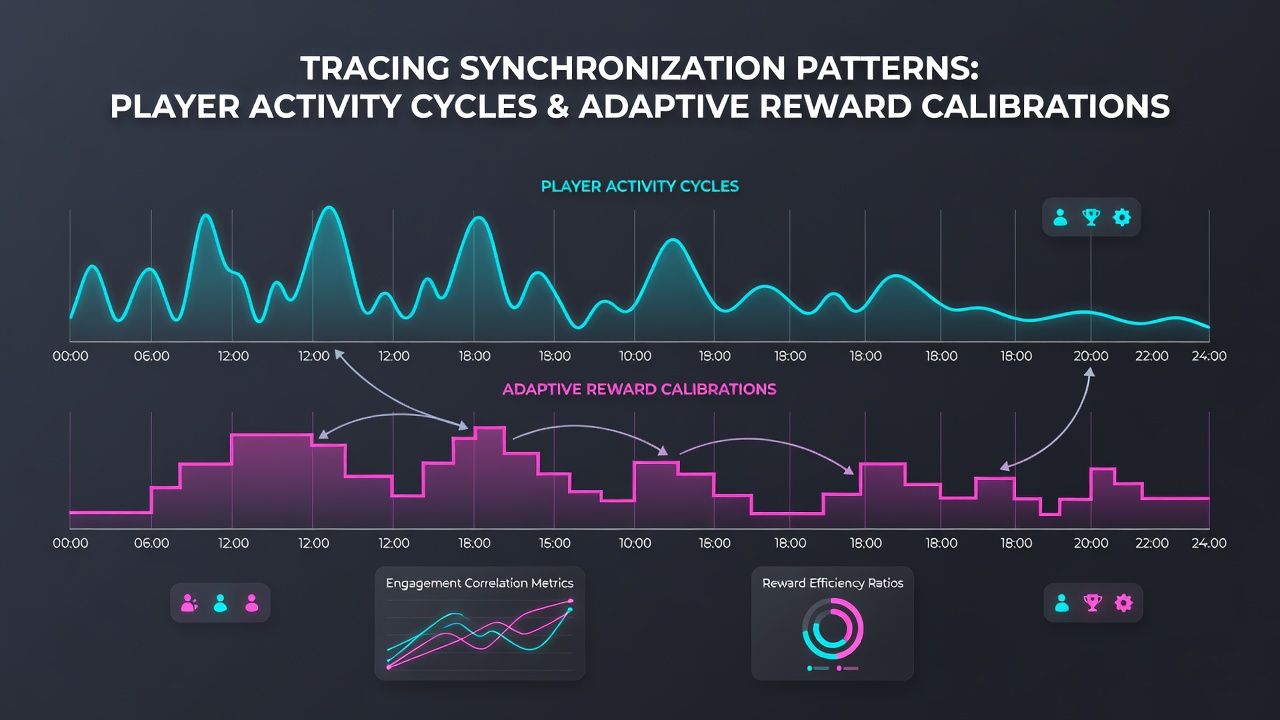
Transnational operators face added complexity because regulatory frameworks in places such as the Australian Communications and Media Authority require disclosure of certain algorithmic parameters, which influences how openly platforms can synchronize adjustments without triggering compliance reviews. Synchronization also depends on API connections between separate regional servers that standardize data formats, allowing a reward change initiated in one jurisdiction to propagate accurately to users elsewhere within minutes.
Regional Variations in Pattern Recognition
Platforms serving Canadian markets often calibrate rewards around seasonal sports schedules tracked through partnerships with local data providers, whereas those focused on Latin American users adjust for cultural festival periods that create distinct activity spikes not observed in other regions. European operators integrate GDPR-compliant anonymization layers that still permit cycle analysis at aggregate levels, and this approach maintains synchronization accuracy while respecting privacy statutes that differ from those in Asian jurisdictions.
Case examples from blockchain-integrated networks demonstrate how smart contract triggers execute reward calibrations automatically once activity thresholds cross predefined markers, which reduces manual oversight and accelerates response times compared to traditional centralized systems. These implementations show measurable convergence between predicted and actual player returns when cycle data feeds directly into calibration logic.
Conclusion
Tracing these synchronization patterns provides operators with frameworks for refining transnational platform operations through continuous data refinement and cross-regional coordination, and ongoing developments in June 2026 indicate further integration of predictive modeling that links activity cycles more tightly to reward outputs across virtual entertainment ecosystems.