Volatility Controls Shaping Bonus Access in Digital Slot Platforms
Sofia Becker · Jul 9, 2026
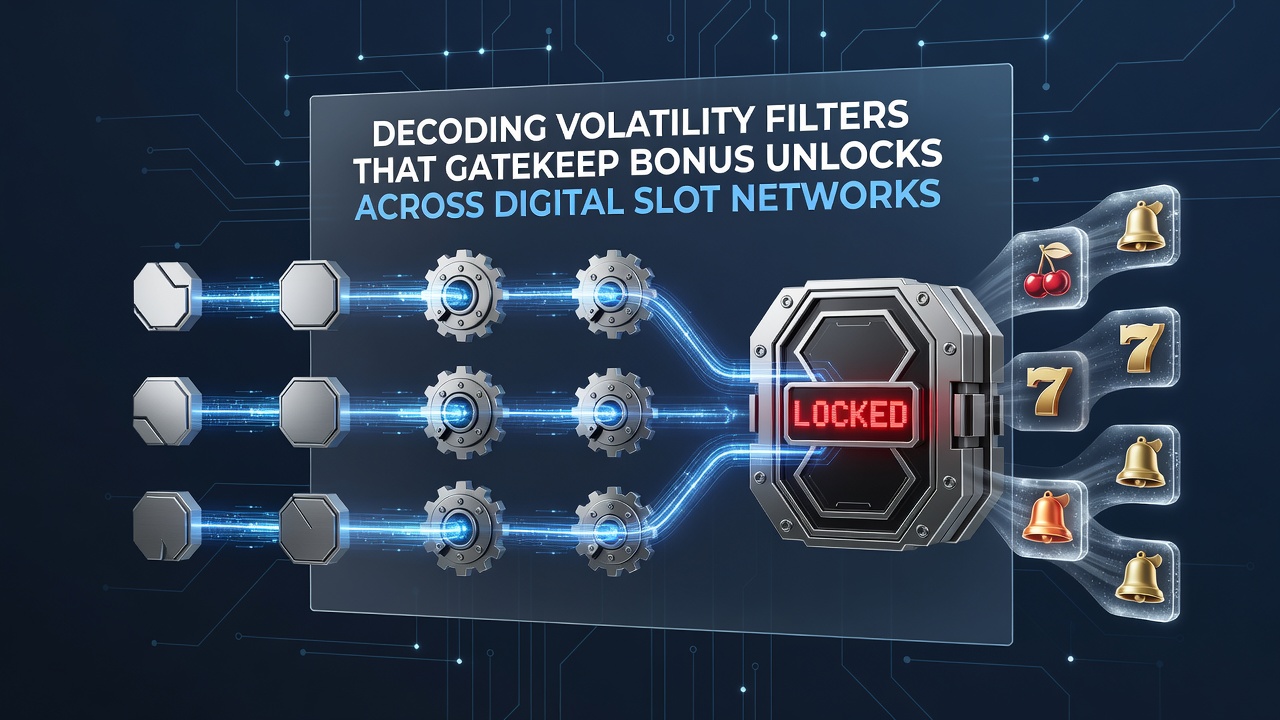
Volatility Controls Shaping Bonus Access in Digital Slot Platforms
Digital slot networks rely on volatility parameters to determine when bonus features activate during play sessions, and these settings function as precise gatekeepers across multiple platforms. Operators configure volatility levels through algorithms that adjust hit frequencies for special rounds, which in turn influences how players progress toward unlocked rewards. Data from industry monitoring shows that medium-volatility titles tend to release bonuses at steadier intervals compared to high-volatility options that space them farther apart.
Core Mechanics Behind Volatility Settings
Volatility represents the degree of risk embedded in each slot title, and developers calibrate it by altering reel strip compositions along with payout tables. Low-volatility games produce frequent small wins that rarely reach bonus thresholds quickly, whereas high-volatility variants concentrate value into rarer but larger outcomes that often coincide with free-spin or multiplier triggers. Researchers at academic institutions tracking game mathematics have documented how these filters operate independently of return-to-player percentages yet interact closely with them during extended sessions.
Networks integrate volatility filters directly into their bonus engines, which scan real-time play data before permitting reward activation. This process prevents premature unlocks in titles where statistical models predict low trigger rates, and it maintains balance across player accounts that switch between different game libraries. Reports issued by regulatory bodies in multiple jurisdictions confirm that such systems undergo regular audits to verify compliance with fairness standards.
Regional Implementation Patterns Observed in 2026
By July 2026 operators across North American and European digital networks had standardized volatility tagging in their content catalogs, which allows players to preview expected bonus intervals before committing funds. Platforms based in Canada publish these classifications alongside game descriptions, while Australian providers incorporate them into responsible gaming tools that display session statistics. Figures released by provincial oversight agencies indicate consistent application of these filters reduced variance complaints by measurable margins during the first half of the year.
Blockchain-enabled slot networks add another layer by recording volatility states on distributed ledgers, which creates transparent histories of how each title behaved during bonus cycles. This approach enables cross-platform verification when players migrate between operators, and it supports dispute resolution processes without requiring centralized data pulls. Industry associations note that adoption of these ledger systems expanded notably after regulatory updates took effect in early 2026.
Interaction With Progressive Reward Structures

Volatility filters coordinate with loyalty meters that accumulate activity across multiple titles, and this integration determines when accumulated points convert into bonus credits or enhanced free-spin packages. High-volatility selections often accelerate meter progress once a threshold activates, while lower-volatility options feed steadier increments that suit extended play patterns. Observers at gaming research centers have mapped these relationships through anonymized datasets that reveal clear correlations between chosen volatility bands and reward velocity.
Operators adjust filter sensitivity based on aggregate player behavior logs collected over quarterly periods, and these adjustments help align bonus availability with network capacity limits. When traffic spikes occur, the system may temporarily elevate volatility thresholds to moderate simultaneous unlock attempts. Such dynamic responses appear in technical documentation shared with compliance teams at state and national levels.
Technical Auditing and Compliance Requirements
Independent testing laboratories examine volatility configurations during certification cycles, and they verify that stated parameters match actual trigger probabilities across millions of simulated spins. European regulatory frameworks require public disclosure of volatility classifications for every licensed title, while Canadian provincial boards mandate internal reporting that tracks deviation rates from published figures. These audits occur at fixed intervals and include random spot checks that catch configuration drift before it affects player sessions.
Digital networks also embed fallback mechanisms that reset volatility filters if external factors like server latency alter expected outcomes. The safeguards protect both operators and players by maintaining statistical integrity during periods of high demand. Documentation from the International Gaming Institute outlines standard procedures used in these verification processes.
Future Adjustments Anticipated After Mid-2026
Network operators continue refining volatility algorithms to accommodate emerging game formats that blend traditional reels with interactive elements. Early tests conducted in controlled environments suggest that adaptive filters responsive to individual session history could become standard within the next reporting cycle. Data shared at industry forums indicates pilot programs running in select jurisdictions achieved stable bonus distribution without compromising overall return metrics.
Collaboration between software providers and oversight agencies remains essential for maintaining consistent standards as new titles enter circulation. Technical working groups established under multi-jurisdictional agreements meet regularly to review filter performance across borders.
Conclusion
Volatility filters serve as foundational components within digital slot networks that regulate bonus timing and frequency through mathematical calibration. Their integration with auditing protocols, regional compliance frameworks, and loyalty systems produces structured pathways for reward access that scale across global platforms. Continued monitoring through 2026 and beyond will determine how these mechanisms evolve alongside advancing network technologies and regulatory expectations.